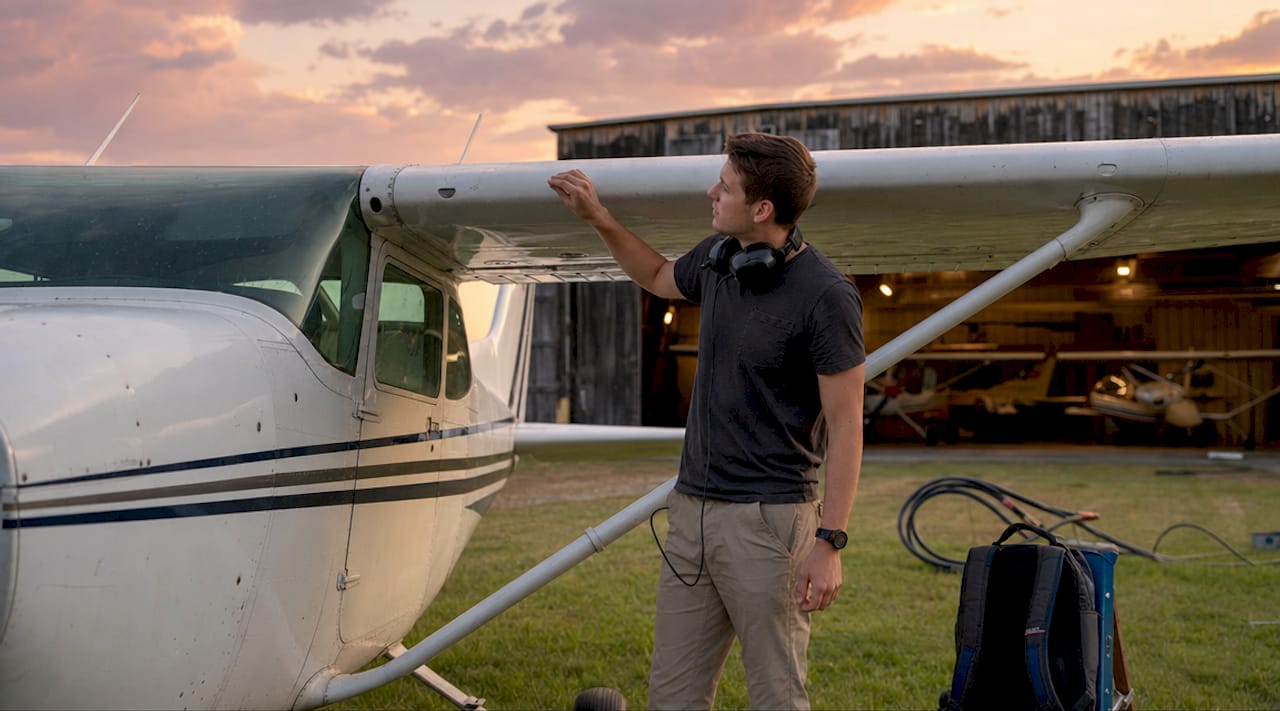
Training aircraft are purpose-built machines designed with forgiving flight characteristics, predictable handling, and safety systems that give student pilots the best possible foundation. The most widely used types of aircraft for training include the Cessna 172 Skyhawk, Piper Cherokee PA-28, Diamond DA20, and Cessna 152. Each model serves a different stage of pilot development, from first solo flights to commercial certification. Choosing the right aircraft depends on your training goals, budget, and the career path you intend to follow. This guide breaks down every major category so you can make an informed decision before your first lesson.
The single most important structural distinction in flight training aircraft is wing placement. High-wing aircraft like the Cessna 172 provide better downward visibility and natural stability, which makes them the standard choice for primary training. Low-wing trainers like the Piper Cherokee demand more active control inputs, preparing students for the more complex aircraft they will fly later in their careers.
Wing placement also affects how each aircraft handles crosswinds and how fuel is managed. The Cessna 172 uses a gravity-feed fuel system, which is simple and nearly foolproof. The Piper Cherokee requires active fuel tank switching, a procedural discipline that mirrors real-world cockpit management but has contributed to fuel starvation incidents when overlooked.
From a landing perspective, high-wing aircraft are more forgiving. The Cessna 172 tends to float during the flare, which masks minor speed errors and allows students to solo earlier. The Cherokee communicates speed errors sharply, which builds better long-term landing skills but increases early frustration.
High-wing advantages: Better ground visibility, natural stability, simpler fuel system, confidence-building for beginners
Low-wing advantages: Active handling, precise energy management, better preparation for complex and commercial aircraft
Crosswind handling: Low-wing aircraft generally require more deliberate rudder and aileron coordination in crosswind conditions
Training sequence: Many instructors recommend starting in a high-wing trainer before transitioning to a low-wing model for advanced ratings
Pro Tip: If your goal is an airline career, plan to train in both configurations. Starting in a Cessna 172 builds confidence, and transitioning to a Piper Cherokee sharpens the precision skills that commercial checkrides demand.
The aircraft used for flight training fall into several clear categories based on performance, avionics, and cost. Here is a breakdown of the most widely used models and what each one offers.
| Aircraft | Wing | Avionics | Best For |
|---|---|---|---|
| Cessna 172 Skyhawk | High | Steam gauge or G1000 | Primary and instrument training |
| Piper Cherokee PA-28 | Low | Steam gauge or G500 | Transition and commercial prep |
| Diamond DA20 | Low | G300 glass | University and structured programs |
| Diamond DA40 | Low | G1000 NXi | Instrument and advanced training |
| Cessna 152 | High | Steam gauge | Budget primary training |
| Cirrus SR20 | Low | Perspective+ | Advanced students with resources |
| Beechcraft Musketeer | High | Steam gauge | Affordable entry-level training |
Cessna 172 Skyhawk is the most produced training aircraft in history and the default choice for most flight schools. Its wide cabin, stable handling, and well-documented maintenance history make it ideal for students from discovery flight through instrument rating.
Piper Cherokee PA-28 series covers several variants including the Warrior, Archer, and Arrow. The low-wing design and responsive controls make the Cherokee series a strong choice for students targeting commercial certification. The Arrow variant adds retractable gear, which is required for the complex aircraft endorsement.
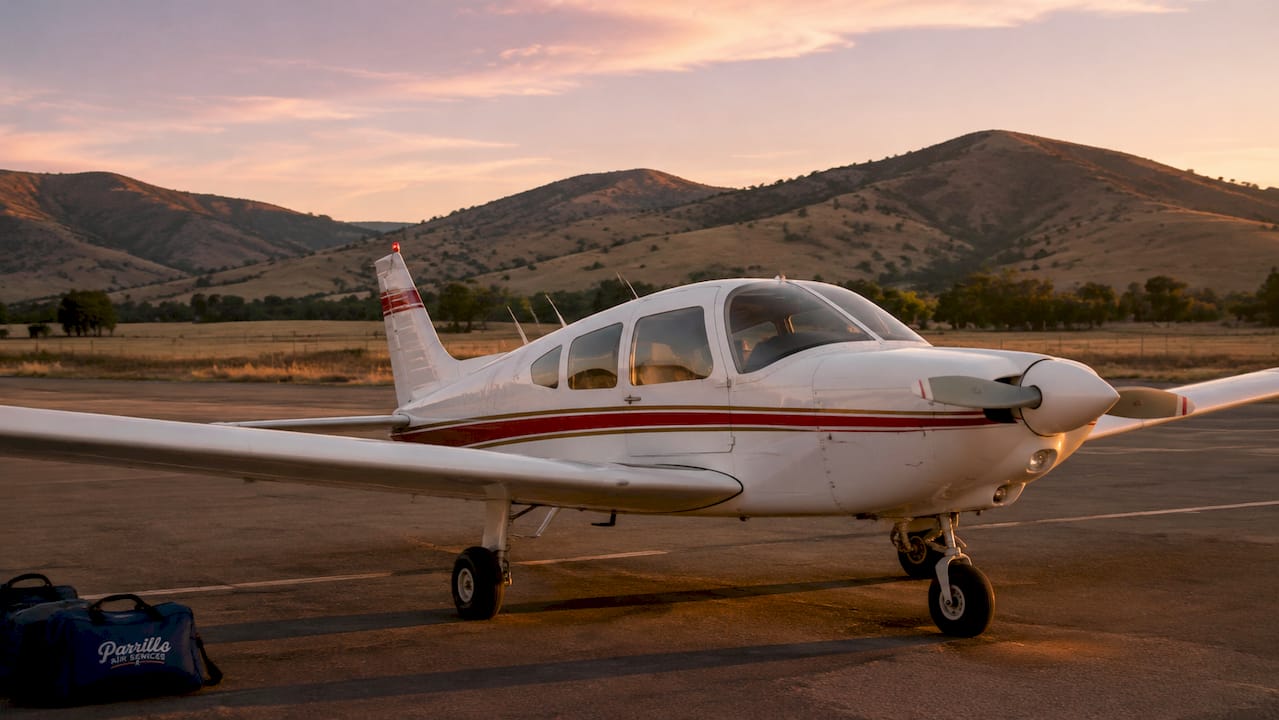
Diamond DA20 and DA40 are composite airframes with glass cockpit systems that replicate the avionics environment of modern turbine aircraft. Universities like Embry-Riddle Aeronautical University and Western Michigan University use Diamond fleets specifically because the DA20, DA40, and DA42 create a consistent cockpit environment from private pilot through multi-engine training.
Cessna 152 is lighter and less expensive to operate than the 172, making it the preferred budget option for early-stage training. Its smaller cabin is a limitation for taller students, but its operating costs are among the lowest of any certified trainer.
Cirrus SR20 sits at the premium end of the training spectrum. It features the Cirrus Airframe Parachute System (CAPS) and Garmin Perspective+ avionics, making it an advanced trainer for students who want exposure to high-performance systems from the start.
Glass cockpit systems like the Garmin G1000 NXi have shifted from optional upgrades to near-standard equipment in modern training fleets. Training on Garmin G1000 systems familiarizes students with avionics they will encounter in commercial and corporate turbine aircraft, directly reducing transition time after certification.
Traditional steam gauge cockpits remain valuable for foundational training. Learning to cross-check six analog instruments builds strong scan habits that glass cockpit students sometimes skip. Many experienced instructors recommend at least partial training on steam gauges before moving to integrated displays.
The practical impact on your training path is significant. Students who train exclusively on glass cockpit aircraft often complete instrument rating procedures faster because the moving map and flight director reduce workload during initial learning. For students on a professional pilot track, the role of avionics in training is not cosmetic. It directly affects how quickly you can transition to turboprop and jet equipment after earning your certificates.
Pro Tip: If your school offers both steam gauge and glass cockpit aircraft, log at least 20 hours in steam gauges before switching. The scan discipline you build carries over and makes you a more adaptable pilot.
Rental rates vary significantly across training aircraft models, and those differences compound quickly over a full training program.
Cessna 172S models with glass cockpits rent for $185 to $230 per hour. Piper Warriors and Cherokees typically rent for $140 to $185 per hour, making the Piper options meaningfully more affordable for students logging 60 to 80 hours toward a private pilot certificate. That gap can represent $3,000 to $5,000 in total training cost.
| Aircraft | Avg. Rental Rate | Relative Cost | Notes |
|---|---|---|---|
| Cessna 172S (glass) | $185–$230/hr | Higher | Most widely available |
| Piper Cherokee/Warrior | $140–$185/hr | Moderate | Good availability at most schools |
| Cessna 152 | $110–$145/hr | Lower | Limited to lighter students |
| Diamond DA20 | $150–$190/hr | Moderate | Common at university programs |
| Cirrus SR20 | $220–$280/hr | Highest | Premium avionics and CAPS system |
Fleet size matters beyond cost. Schools with larger fleets of a single model type reduce scheduling conflicts and keep students flying consistently. Frequent flying sessions at least twice weekly are far more critical to student success than aircraft model choice. A school with five Cessna 172s available will serve you better than one with a single Diamond DA40 that books out weeks in advance.
Parts availability also affects training continuity. The Cessna 172 and Piper Cherokee have the largest parts networks of any piston trainers, which means shorter maintenance downtime and more consistent aircraft availability.
The right training aircraft depends on where you are in your pilot development and where you intend to go.
Private pilot beginners benefit most from high-wing aircraft like the Cessna 172. The stability and visibility reduce cognitive overload during the first 20 hours, when students are managing basic aircraft control, radio communication, and airspace awareness simultaneously.
Instrument rating candidates should prioritize aircraft with at least a basic glass cockpit or a well-equipped steam gauge panel. The Piper Archer and Cessna 172 with Garmin G1000 are both strong choices for this stage.
Commercial pilot candidates need exposure to complex aircraft, meaning retractable gear and a constant-speed propeller. The Piper Arrow and Beechcraft Bonanza are the most common choices for the complex endorsement required before the commercial checkride. For a full breakdown of what the commercial pilot certificate requires, the requirements extend well beyond aircraft type.
Professional pilot track students targeting regional airlines should prioritize glass cockpit time and multi-engine experience. The Diamond DA42 Twin Star is the most common multi-engine trainer at university programs and provides direct preparation for turboprop and jet type ratings.
Recreational pilots with no career ambitions can train and certify in almost any aircraft on this list. The Cessna 152 and Piper Tomahawk offer the lowest operating costs for students who want a sport or private certificate without the expense of a full professional program.
Starting in a forgiving high-wing aircraft builds confidence and reduces the early frustration that causes student dropouts. Transitioning to a more demanding low-wing trainer later enhances the precision skills that advanced certifications require. This two-phase approach is the sequence most experienced instructors recommend for career-minded students.
The most effective training sequence starts in a forgiving high-wing aircraft like the Cessna 172, then transitions to a low-wing trainer like the Piper Cherokee to build the precision and cockpit discipline that commercial certifications demand.
| Point | Details |
|---|---|
| Wing configuration matters | High-wing trainers build confidence; low-wing trainers build precision for advanced ratings. |
| Wing configuration matters | High-wing trainers build confidence; low-wing trainers build precision for advanced ratings. |
| Glass cockpits accelerate progression | Garmin G1000 training reduces transition time to commercial and turbine aircraft. |
| Cost compounds over training hours | Piper Cherokee rentals run $40 to $50 less per hour than glass-cockpit Cessna 172S models. |
| Frequency beats aircraft choice | Flying at least twice weekly drives more progress than any specific aircraft model. |
| Match aircraft to career goals | Professional pilot candidates need complex aircraft and multi-engine time before commercial checkrides. |
After watching students progress through different aircraft types, one pattern stands out clearly. Students who obsess over which aircraft they train in almost always underestimate how much consistency matters. The pilot who flies a Cessna 172 twice a week will outpace the one who waits three weeks between flights in a Diamond DA40 every single time.
That said, aircraft choice is not irrelevant. I have seen students who trained exclusively in high-wing aircraft struggle significantly when they transitioned to low-wing complex planes for their commercial rating. The fuel management habits, the energy control, the feel of the controls. All of it is different enough to slow them down. Starting in a Cessna 172 is smart. Staying there too long is a mistake.
The glass cockpit question is where I see the most confusion. Some students want to train on steam gauges because they believe it builds better fundamentals. That is partially true. But if your goal is a regional airline seat, you will be flying Garmin-equipped aircraft from day one on the line. Training on a G1000 from your instrument rating forward is not a shortcut. It is preparation. The airline pilot career pathway moves fast once you have your certificates, and every hour of glass cockpit time you log in training is an hour you do not have to spend relearning systems on the job.
Pick the aircraft that matches your next goal, not your current comfort level. That is the advice I give every student who asks.
— Gm

Parrillo Air Services in Lynchburg, VA offers FAA-certified flight training with a fleet of well-maintained training aircraft suited to every stage of pilot development. From your first discovery flight in a stable, forgiving trainer to advanced commercial and instrument programs with modern avionics, Parrillo Air matches aircraft to your goals. Programs run under FAA Part 61, with flexible scheduling designed to keep you flying consistently. Whether you are aiming for a private certificate or a regional airline career, the team at Parrillo Air builds your training plan around the aircraft and timeline that fits your life.
The Cessna 172 Skyhawk is the most widely used training aircraft in the world, favored for its stability, visibility, and well-established maintenance network. Most flight schools in the United States operate at least one Cessna 172 in their fleet.
High-wing aircraft like the Cessna 172 are better for beginners because they offer more natural stability and better downward visibility, which reduces workload during early training. Low-wing trainers are more appropriate once foundational skills are established.
Cessna 172S models with glass cockpits rent for $185 to $230 per hour, while Piper Cherokee and Warrior models typically rent for $140 to $185 per hour. Total training costs depend heavily on how frequently you fly and how quickly you progress.
You do not need glass cockpit training to earn your certificates, but training on systems like the Garmin G1000 significantly reduces your transition time to commercial aircraft. Most regional airlines operate glass cockpit equipment, so early exposure is a practical advantage.
The FAA requires a complex aircraft endorsement for the commercial pilot certificate, meaning you must log time in an aircraft with retractable landing gear and a constant-speed propeller. The Piper Arrow and Beechcraft Bonanza are the most common choices for this requirement.
The Role of Avionics in Training for Pilots
Parrillo Air Services
Flight Training Programs | Part 61 & 141 Guide | Parrillo Air Services
Parrillo Air Services
Ace Your Airline Pilot Interview: Complete Prep Guide | Parrillo Air Services
Parrillo Air Services
How to Choose an FAA Part 61 School for Your Career
Parrillo Air Services