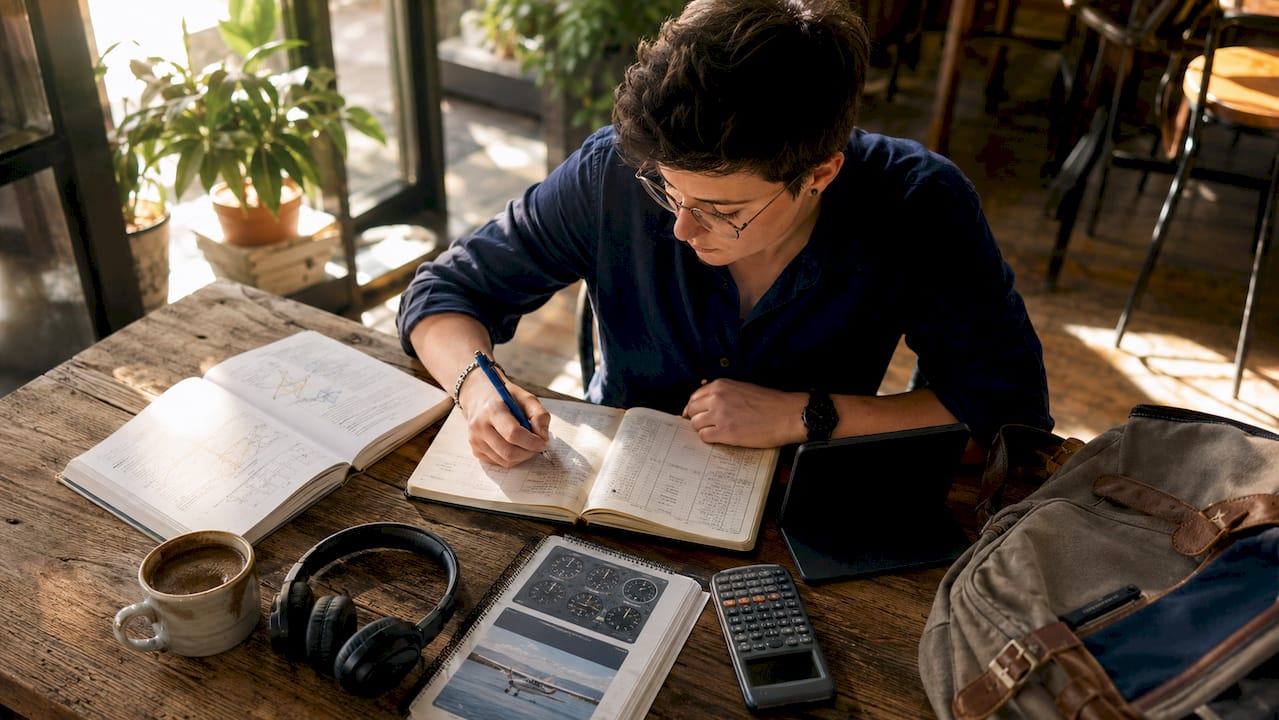
Becoming a commercial pilot costs between $80,000 and $130,000 from zero experience to airline-ready status, making it one of the largest career investments an individual can make. That figure covers five major certification stages: Private Pilot License (PPL), Instrument Rating (IR), Commercial Pilot License (CPL), Certified Flight Instructor (CFI), and Airline Transport Pilot (ATP). Each stage carries its own pilot training expenses, from aircraft rental and instructor fees to medical exams and equipment. Understanding the full pilot training costs breakdown before you commit is the single most effective way to avoid budget surprises and stay on track.
The PPL is the foundation of every pilot career, and it is also the first major expense. PPL training typically costs $10,000–$26,000 for 45–75 flight hours, even though the FAA minimum is just 40 hours. Most students exceed that minimum because skill development takes time. Costs at this stage include aircraft rental, instructor fees, ground school, written exam fees, and a checkride with an FAA Designated Pilot Examiner.
The Instrument Rating follows the PPL and adds $8,000–$15,000 to your total. This stage trains you to fly in low-visibility conditions using cockpit instruments alone. Simulator sessions are a major cost lever here. Simulator usage can replace up to 20 hours of aircraft time, saving thousands of dollars compared to logging all hours in a real aircraft.
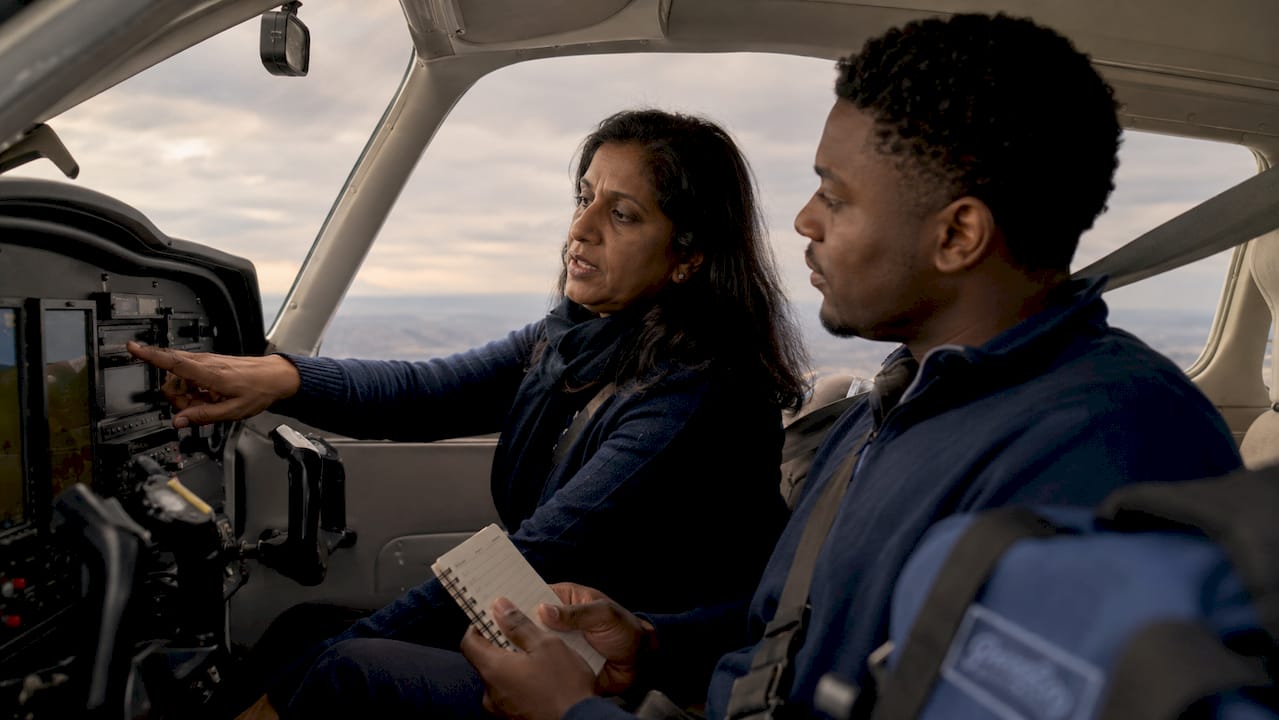
The CPL is where costs spike sharply. CPL training runs $30,000–$60,000, and 70–80% of that cost comes from time-building. You need 250 total flight hours to qualify, and most of those hours are logged solo or as pilot-in-command (PIC) in rented aircraft. Aircraft rental rates drive this number more than any other single factor.
| Certification Stage | Typical Cost Range | Key Cost Driver |
|---|---|---|
| Private Pilot License (PPL) | $10,000–$26,000 | Aircraft rental + instructor fees |
| Instrument Rating (IR) | $8,000–$15,000 | Simulator vs. aircraft time mix |
| Commercial Pilot License (CPL) | $30,000–$60,000 | Time-building to 250 hours |
| Certified Flight Instructor (CFI) | $8,000–$16,000 | Ground training + checkride prep |
| Airline Transport Pilot (ATP) | Often airline-funded | CTP course + simulator hours |
Pro Tip: Flying 2–3 times per week during PPL training reduces total hours needed because better skill retention means fewer remedial lessons. Consistency is the cheapest efficiency tool available.
The FAA regulates flight training under two frameworks: Part 61 and Part 141. Choosing between them shapes your timeline, your total flight hours, and your access to financial aid. Part 61 requires 250 hours for a CPL; Part 141 requires only 190 hours due to its structured, FAA-approved syllabus. That 60-hour difference translates directly into thousands of dollars in aircraft rental savings.
Part 141 schools often qualify for VA/GI Bill benefits and federal financial aid, which can offset a significant portion of flight school tuition. University-affiliated Part 141 programs also allow students to earn college credit alongside their certifications. The tradeoff is that Part 141 programs tend to have higher hourly rates and less scheduling flexibility.
Part 61 training suits pilots who need flexibility. Self-paced instruction works well for adults with jobs or families. The lower structure means you can shop for cheaper aircraft and instructors, but the lack of a fixed syllabus can lead to inefficiency if you fly infrequently.
The time commitment at each stage also affects cost. Flying infrequently under Part 61 can stretch your PPL from 6 months to 2 years, adding hours and dollars. Parrillo Air Services operates under FAA Part 61, offering the scheduling flexibility that working adults need without sacrificing instructional quality.
Most aspiring pilots budget for flight hours and instructor fees. Few budget for the equipment and administrative costs that accumulate quietly throughout training. Ancillary costs add $5,000–$7,000 over the full training lifetime. That is enough to derail a tight pilot training budget if you do not plan for it.
The biggest equipment expenses are headsets and electronic flight bag (EFB) devices. A quality aviation headset runs $400–$1,200. An iPad configured as an EFB costs $600–$1,500. Both are effectively required from day one of flight training.
Other costs that catch students off guard include:
Pro Tip: Joining a flying club can cut hourly aircraft rental costs by 15–30%, which compounds into major savings during the time-building phase of CPL training.
Parrillo Air Services provides transparent cost breakdowns upfront so students know what to expect before they write a single check. That transparency is rare in the industry and worth factoring into your school selection.
The honest answer is that efficient local training costs $80,000–$100,000, while accelerated academies push the total to $95,000–$130,000 or more. The difference comes down to aircraft choice, training pace, and program structure. Neither path is wrong. They serve different financial situations and career timelines.
The most expensive single phase is CPL time-building. Cheaper aircraft rental drastically reduces overall CPL cost, which is why aircraft selection matters more at this stage than at any other. A Cessna 150 rents for far less per hour than a Cessna 172, and both satisfy the FAA's requirements for time-building.
The CFI certification costs $8,000–$16,000 but pays for itself quickly. CFI hours count toward the 1,500-hour ATP requirement, and instructing pays a salary while you build those hours. That makes the CFI stage the highest-return investment in the entire training sequence.
The ATP certificate is often the least expensive stage of the entire training path. Most regional airlines fund the ATP Certification Training Program (CTP) course and simulator hours as part of their hiring process, effectively eliminating that cost for pilots who reach the 1,500-hour threshold through CFI work.
Total zero-to-airline timelines range from 18–24 months for accelerated programs to 2–5 years for self-paced Part 61 paths. The faster you train, the sooner you earn a pilot salary, which changes the return-on-investment calculation significantly. For a deeper look at how these numbers compare across program types, the 2026 flight training cost comparison at Parrillo Air Services breaks it down stage by stage.
| Training Path | Estimated Total Cost | Timeline |
|---|---|---|
| Part 61 local training | $80,000–$100,000 | 2–5 years |
| Accelerated academy | $95,000–$130,000+ | 18–24 months |
| University program | $90,000–$150,000+ | 3–4 years |
The most cost-effective path from zero to airline-ready combines Part 61 flexibility, simulator use during IR training, affordable aircraft for time-building, and CFI work to offset ATP hour requirements.
| Point | Details |
|---|---|
| Total investment range | Expect $80,000–$130,000 from PPL through CPL, depending on training path and aircraft choice. |
| CPL time-building is the biggest cost | 70–80% of CPL expenses come from renting aircraft to reach 250 flight hours. |
| CFI certification pays back | CFI hours count toward ATP requirements while earning instructor pay, making it the best ROI stage. |
| Hidden costs add $5,000–$7,000 | Budget for headsets, iPads, insurance, exams, and checkride prep fees from day one. |
| Part 141 unlocks financial aid | VA/GI Bill and federal aid eligibility can significantly reduce out-of-pocket flight school tuition. |
The number that surprises most aspiring pilots is not the total. It is how unevenly the costs are distributed. The PPL feels manageable. The IR feels doable. Then the CPL time-building phase arrives and the invoices multiply fast. Most students who run out of money do so between 100 and 200 hours, right in the middle of the most expensive stretch.
The pilots who finish on budget share one habit: they fly often and they plan their aircraft choices deliberately. Flying twice a week instead of once a month is not just faster. It is genuinely cheaper because skill retention reduces remedial hours. I have seen students spend $4,000 relearning maneuvers they had already passed because they took a two-month break.
Simulators are underused at every stage beyond the IR. Most students treat sim time as a lesser substitute for real flying. The better frame is that simulators let you practice failures and edge cases that you cannot safely practice in the air. That practice reduces checkride failures, and a failed checkride costs $700–$900 in DPE fees plus additional prep hours.
The CFI path is the most misunderstood financial decision in pilot training. Students often view it as optional or as a detour. It is neither. It is the mechanism that converts your most expensive hours into paid work. If you plan to fly for the airlines, the CFI certificate is not a cost. It is the strategy that makes the rest of the investment viable.
Finally, get your financing plan in place before you start, not after you run short. The pilots who finish are the ones who treated training like a business investment from the first lesson.
— Gm

Parrillo Air Services, based in Lynchburg, VA, offers FAA Part 61 flight training from discovery flights through commercial and CFI certifications. The school provides personalized instruction with flexible scheduling, which directly reduces the wasted hours that inflate training costs at other programs.
Every student at Parrillo Air Services receives a clear breakdown of expected costs before training begins, covering flight hours, instructor fees, and equipment needs. The school's instructors work with students to build realistic pilot training budgets and identify financing options that fit individual situations. If you are ready to calculate your total training investment and map out a path to the cockpit, request program details from Parrillo Air Services today.
PPL training costs $10,000–$26,000 depending on location, aircraft type, and how many hours you need to meet FAA standards. Most students log 60–70 hours before passing their checkride.
The average total cost ranges from $80,000 to $130,000, with efficient local Part 61 paths landing near the lower end and accelerated academies at the higher end.
Part 61 typically costs less per hour and requires 250 total hours for a CPL, but Part 141's 190-hour minimum and access to VA/GI Bill benefits can make it cheaper overall for eligible students.
Expect to spend $5,000–$7,000 on headsets, iPads, renter's insurance, chart subscriptions, medical exams, written test fees, and checkride preparation across all certification stages.
Yes. CFI hours count toward the 1,500-hour ATP requirement while earning instructor pay, making it the most financially efficient way to build the hours needed for an airline career.