
Flight training costs are defined by four core expenses: aircraft rental, flight instructor fees, written and practical exams, and training materials. The national average to earn a Private Pilot License (PPL) runs $15,000–$20,000, with aircraft rental alone accounting for $9,000–$13,000 of that total. When you compare flight training costs across schools, the advertised price rarely tells the full story. Understanding what drives each line item gives you the power to evaluate programs honestly and avoid expensive surprises.
Flight training expenses break down into predictable categories, but the amounts vary widely depending on choices you make before you ever leave the ground.
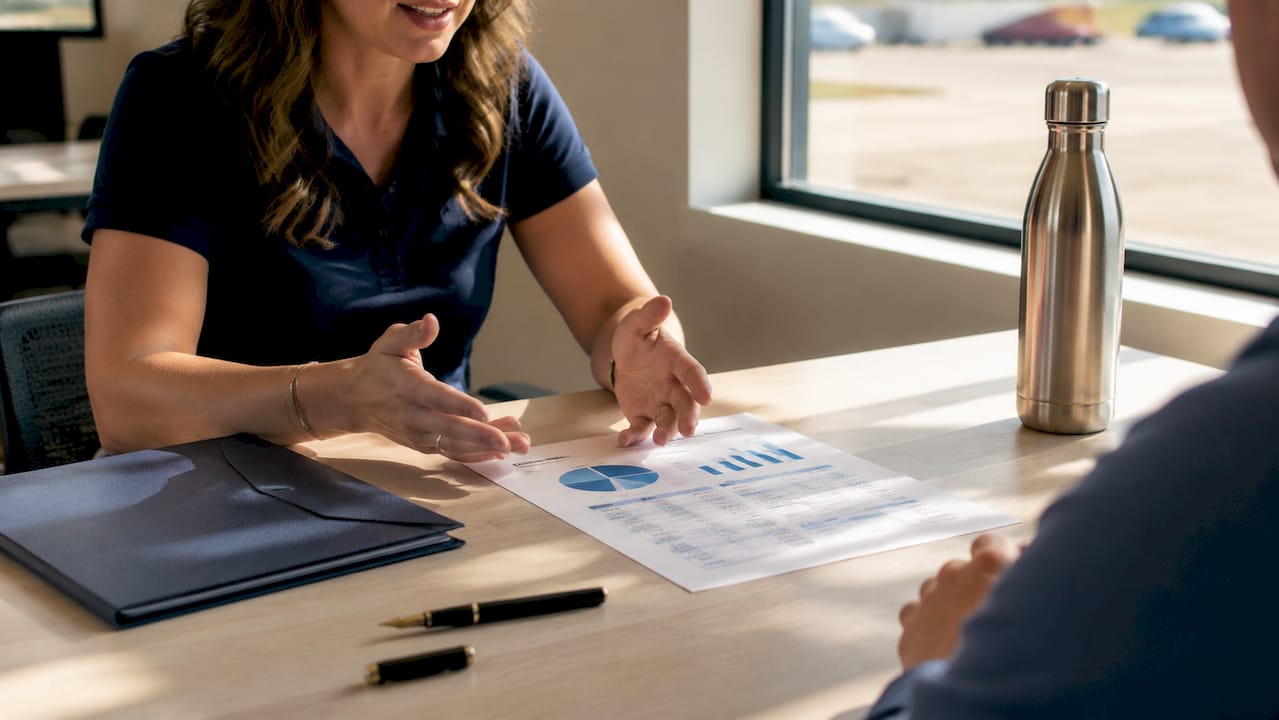
The biggest variable is flight hours. The FAA requires a minimum of 40 flight hours under Part 61 for a private pilot certificate, including at least 20 hours of dual instruction and 10 hours of solo flight. Most students finish between 60 and 75 hours. That gap between the legal minimum and realistic completion time can add $3,600–$6,300 in aircraft rental alone at average rates.
Here is where your money actually goes:
Training frequency shapes your total cost more than most students expect. Flying 2–3 times per week keeps skills sharp between lessons and reduces the re-learning time that inflates hours. Accelerated programs can finish in 1–2 months. Part-time students who fly once a week often take 6–12 months and pay significantly more in total hours.
Pro Tip: Schedule at least two flights per week from day one. Consistency is the single most effective way to control your total flight training expenses.
The two main FAA training frameworks are Part 61 and Part 141, and understanding the difference is critical for any honest flight school tuition comparison.
Part 141 programs operate under FAA-approved syllabi with structured stage checks. The minimum flight hours drop to 35 for a PPL under Part 141. That five-hour reduction saves roughly $900 at average rental rates. The tradeoff is rigidity. Part 141 schools follow fixed lesson sequences, which works well for full-time students but can frustrate those with irregular schedules.
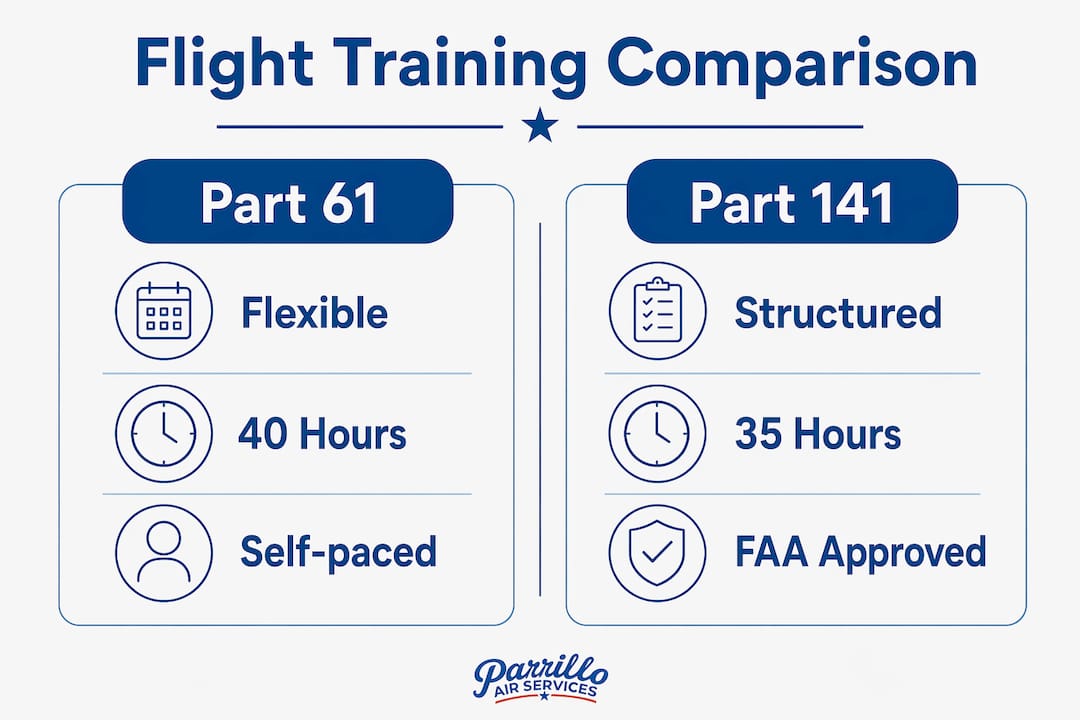
Part 61 offers more flexibility. You and your instructor design the training path around your schedule and learning pace. That flexibility often results in more total hours, especially for part-time students, which means higher overall cost. However, for students who can commit to a consistent schedule, Part 61 programs like those offered by Parrillo Air Services can be just as efficient.
| Feature | Part 61 | Part 141 |
|---|---|---|
| Minimum PPL flight hours | 40 hours | 35 hours |
| FAA-approved syllabus required | No | Yes |
| Schedule flexibility | High | Low to moderate |
| Best for | Part-time or self-paced students | Full-time, structured learners |
| Typical total cost range | $15,000–$20,000 | $14,000–$18,000 |
| Stage checks required | No | Yes |
For a deeper look at how to evaluate Part 61 programs, the Part 61 school guide from Parrillo Air Services covers the key questions to ask before enrolling. If you are weighing alternatives to traditional Part 141 structures, this Part 141 alternatives breakdown is worth reading before you commit.
Where you train has a direct effect on your per-hour costs and your total training timeline. Regional differences in fuel prices, hangar rent, insurance, and airport fees all flow through to aircraft rental rates.
The South and Midwest generally offer lower rental rates and more flying days per year due to favorable weather. The West Coast and Northeast carry higher operating costs, which push rental rates up. A student training in Virginia or Tennessee may pay $160–$175/hr for a Cessna 172, while the same aircraft in the San Francisco Bay Area or Boston can run $200–$230/hr.
Weather reliability is an underappreciated cost factor. Schools in regions with frequent fog, icing, or thunderstorm seasons see more canceled lessons. Each cancellation breaks your training rhythm and adds hours to your total. When you budget for flight school, factor in the average number of flyable days per month at your target location.
For career-track pilots, the cost picture expands dramatically. Zero-to-airline programs range from $80,000 to $140,000 depending on location, program pace, and what is included. The median for a comprehensive package sits around $100,000–$120,000. These figures cover private, instrument, commercial, multi-engine, and flight instructor ratings, but you must confirm exactly which phases and aircraft types are included before comparing programs.
Pro Tip: Ask any career-track school whether all hour-building phases and multi-engine training are included in the published price. Many programs quote a base figure that excludes critical rating phases.
Understanding how aircraft type affects your rental rate is worth studying before you choose a school. The aircraft training guide from Parrillo Air Services explains how different aircraft choices affect your per-hour cost and overall training efficiency.
Comparing programs accurately requires more than reading a school's pricing page. Follow this process to get a true cost picture before you commit.
Most students underestimate their total flight training cost because they compare programs on the wrong metrics. These are the mistakes that cost the most.
Accurately comparing flight training costs requires evaluating realistic total hours, not advertised minimums, alongside all included and excluded fees.
| Point | Details |
|---|---|
| Realistic hours matter most | Most students fly 60–75 hours for a PPL, not the FAA minimum of 40. |
| Aircraft rental dominates costs | Rental runs $9,000–$13,000 of the typical $15,000–$20,000 PPL total. |
| Part 61 vs Part 141 affects structure | Part 141 saves 5 minimum hours but offers less flexibility for part-time students. |
| Hidden fees add $1,500–$2,500 | Checkride, medical, gear, and knowledge test costs are rarely included in quoted tuition. |
| Training frequency controls total cost | Flying 2–3 times per week reduces re-learning time and keeps total hours lower. |
The advertised hourly rate is the least useful number in any flight training comparison. I have seen students choose a school because it was $10/hr cheaper on aircraft rental, only to finish with 20 more hours than a classmate at a more expensive school. The math never worked in their favor.
What actually determines your total cost is the combination of training consistency, instructor quality, aircraft reliability, and scheduling access. A school that can get you in the air three times a week with the same instructor and a well-maintained fleet will almost always produce a lower final bill than one with a lower sticker price but chronic availability problems.
The Part 61 vs Part 141 debate is also more nuanced than most comparisons suggest. Part 141's structured syllabus works well for students who can commit to a full-time schedule. For everyone else, the rigidity creates friction that adds calendar time and, ultimately, cost. The flight training investment analysis at Parrillo Air Services makes this point clearly: training pace and program fit matter more than the per-hour rate.
One more thing worth saying directly: ask every school for their average student completion hours, not their minimum. Any school unwilling to share that number is telling you something important.
— Gm
Parrillo Air Services offers FAA Part 61 flight training in Lynchburg, VA, with clear program pricing and personalized instruction from private pilot through flight instructor ratings. The school's flexible scheduling supports consistent training frequency, which directly reduces your total flight hours and cost. Programs cover every stage from introductory discovery flights to airline-track certifications, with transparent cost structures so you know what you are paying for before you commit.

If you are ready to compare programs with real numbers and no hidden fees, visit the Parrillo Air Services training programs page for full details on pricing, scheduling, and enrollment. You can also explore the Parrillo Air Services homepage to learn more about the school's approach to affordable, career-focused pilot training in Virginia.
The national average cost of a Private Pilot License is $15,000–$20,000, with aircraft rental and instructor fees making up the largest share. Most students complete 60–75 flight hours, not the FAA minimum of 40.
Part 141 programs require a minimum of 35 flight hours versus 40 under Part 61, which can reduce costs slightly. However, Part 141's rigid structure may increase calendar time for part-time students, offsetting the savings.
Checkride fees ($600–$1,000), the FAA knowledge test ($175), medical exam ($100–$200), and flight gear ($300–$800) are typically excluded from advertised tuition. Budget an additional $1,500–$2,500 for these items.
Request a detailed syllabus with estimated dual, solo, and cross-country hours, then ask for a written list of all included and excluded fees. Compare schools on realistic total hours, not advertised minimums.
Yes. Regional differences in fuel, insurance, and airport fees push aircraft rental rates higher in the Northeast and West Coast compared to the South and Midwest. Weather reliability also affects total hours and cost by influencing how consistently you can train.
What Does Flight Training Investment Mean for Pilots
Parrillo Air Services
Regional Airline Hiring Requirements: 2026 Pilot Guide | Parrillo Air Services
Parrillo Air Services
Airline Pilot Career Pathway Steps: 2026 Guide
Parrillo Air Services
Major Airline Pilot Salary Ranges: 2026 Guide
Parrillo Air Services