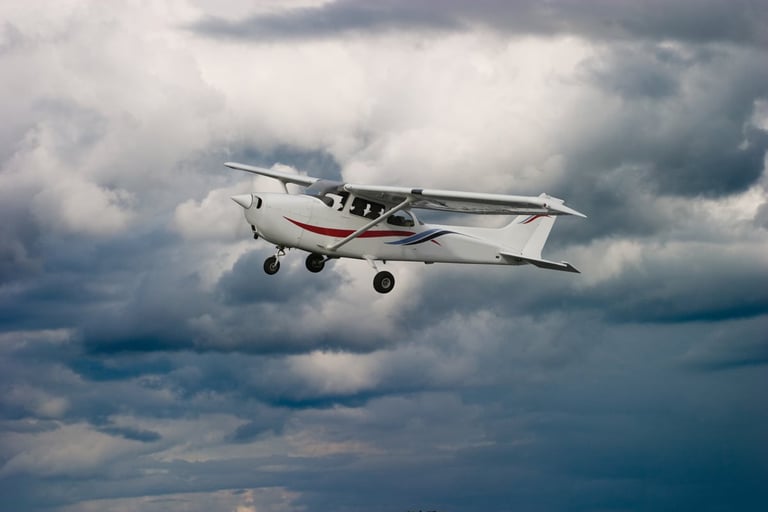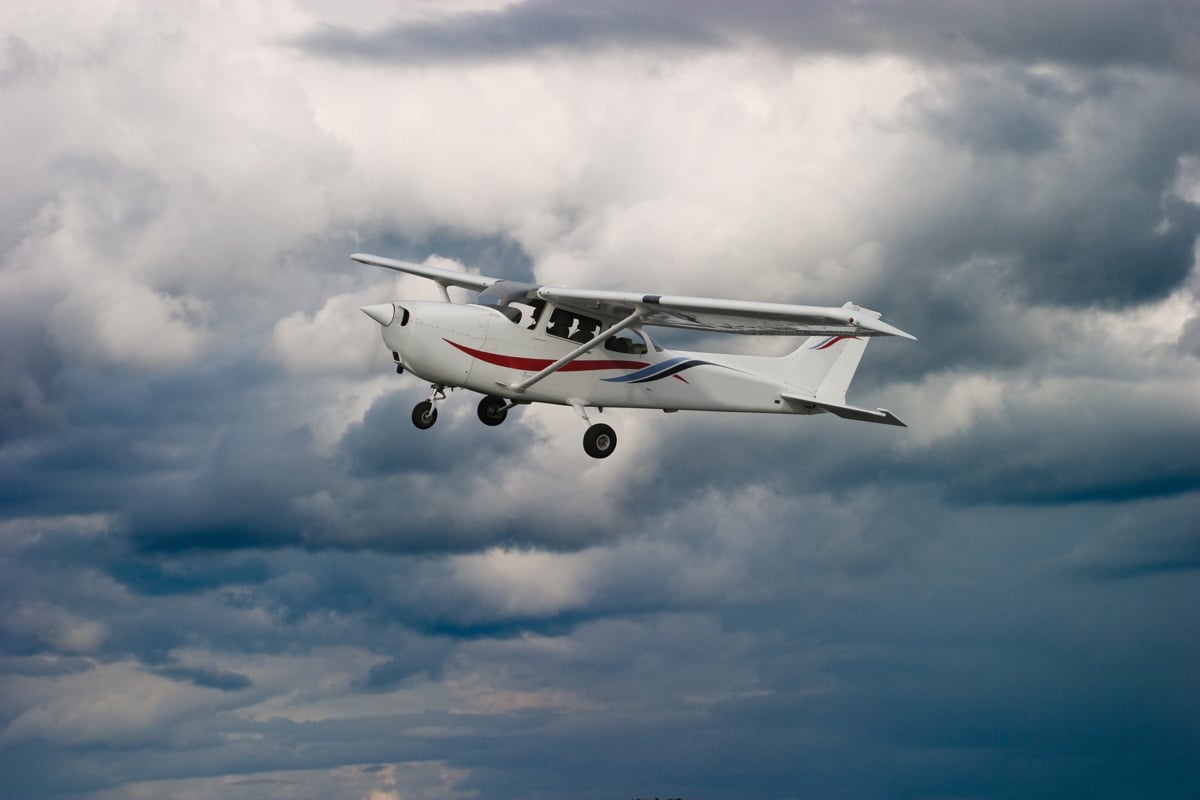
Learn to fly in the clouds, in low visibility, and on an IFR flight plan. Our Part 61 instrument course builds the scan, procedures, and decision-making you need to pass your checkride and fly with total confidence.
Under 14 CFR §61.65, you must already hold at least a Private Pilot certificate and meet the aeronautical experience, ground training, and testing requirements below. Here is exactly what the regulation asks for.
You must receive and log ground training from an authorized instructor on the aeronautical knowledge areas of §61.65(b) — IFR regulations, flight planning, weather, navigation systems, approach procedures, and emergency operations — or complete a home-study course. This prepares you for the FAA Instrument Rating Airman Knowledge Test.
Pass the FAA instrument knowledge test, then complete the Instrument Rating Practical Test (checkride) with an FAA Designated Pilot Examiner — an oral exam plus a flight portion flown to the Instrument Airman Certification Standards. You'll be evaluated on instrument scan, holds, approaches, partial-panel work, and IFR emergencies.
Requirements summarized from 14 CFR §61.65 for airplane, single-engine. Individual minimums can vary by category and class. Always verify current regulatory text and consult your instructor before your checkride.
Our Part 61 instrument course is built around real IFR flying, not rote memorization. Every lesson pairs ground briefings with hands-on time under the hood or in actual instrument conditions.
Full-panel and partial-panel control, unusual attitude recovery, and the disciplined scan that keeps you ahead of the airplane.
Filing, reading clearances, departure procedures, preferred routes, alternates, and fuel planning in the IFR system.
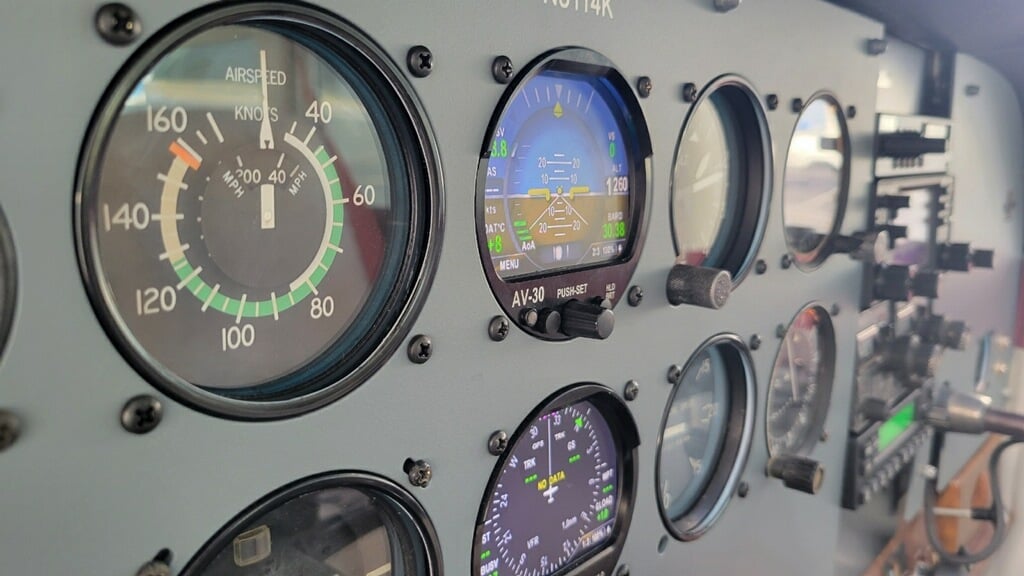
VOR, GPS/RNAV, ILS localizer and glideslope intercepts, DME arcs, and glass-cockpit IFR workflows.
Precision and non-precision approaches, holding entries, missed approach procedures, and lost-comm / vacuum failure scenarios.
Already a private pilot? Instrument training is the single biggest capability jump you can make — and the gateway to commercial flying.
Instrument students fly the same single-engine trainer the rest of our fleet uses — a stable, IFR-equipped airplane with the avionics you'll actually see on your checkride.
Actual aircraft assignment depends on availability and your training stage. Ask your instructor which airframe you'll be scheduled in before your first IFR lesson.