Commercial Pilot Training in Lynchburg, VA | Parrillo Air Services
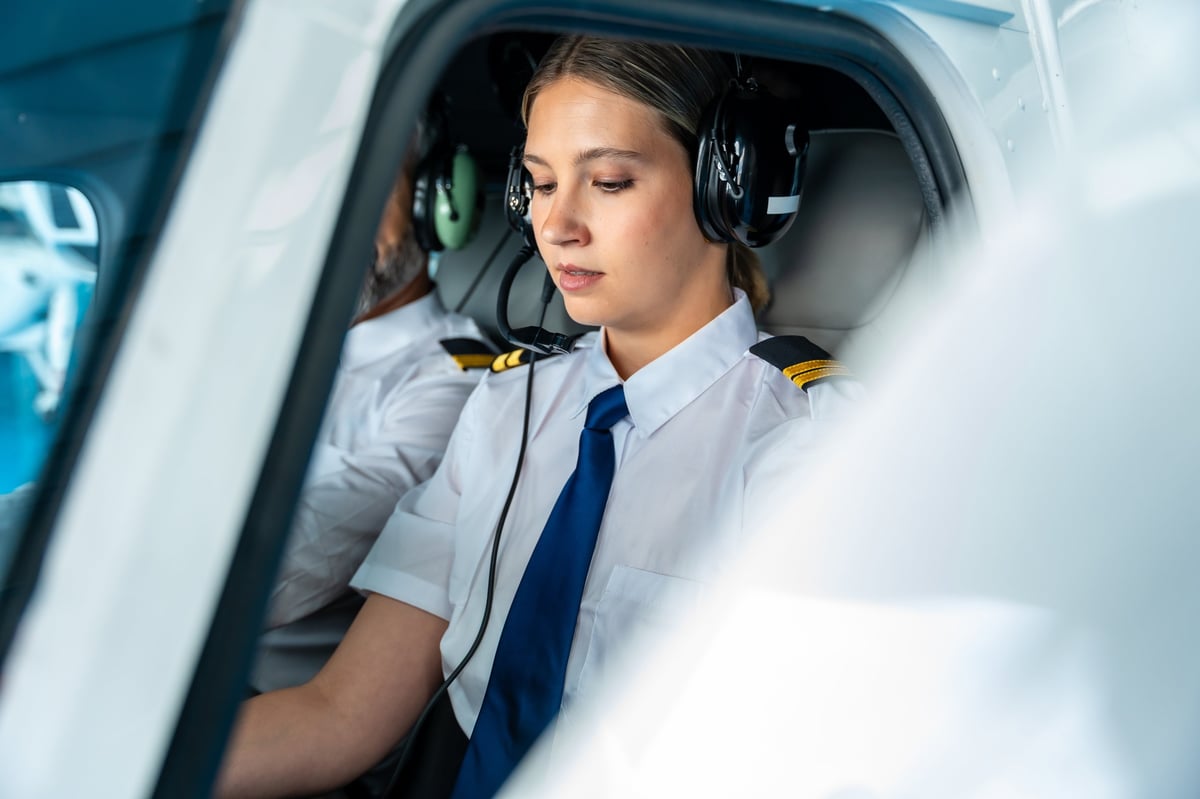
Young adult female pilot wearing a uniform with epaulets and a headset is sitting in an airplane cockpit, focusing on controls and preparing for a flight
FAA Part 61 · 14 CFR §61.129

Commercial Pilot Training in Lynchburg, VA

The Commercial Pilot certificate is the first step toward getting paid to fly. Our Part 61 commercial course takes you from private pilot to professional aviator with the precision, judgement, and airmanship employers look for.

250 hrs total time minimum 100 hrs PIC required Fly for compensation
The Rules

Part 61 Commercial Pilot Requirements

Under 14 CFR §61.129, the commercial pilot certificate requires substantially more flight experience than the private. Below is the airplane single-engine breakdown of what the regulation asks for.

Basic Eligibility

  • Be at least 18 years old
  • Read, speak, write and understand English
  • Hold a Private Pilot certificate
  • Hold a valid Second-Class FAA medical certificate
  • Receive the required ground and flight training from an authorized instructor
  • Meet the aeronautical knowledge and experience requirements of §61.129

Total Flight Time

  • 250 hours total time as a pilot
  • 100 hours in powered aircraft, 50 of which in airplanes
  • 100 hours pilot in command (PIC)
  • 50 hours PIC in airplanes
  • 10 hours PIC in a complex, turbine-powered, or TAA airplane
  • 10 hours instrument training (5 in a single-engine airplane)

Cross-Country

  • 20 hours of training, including 10 hours in a complex or TAA airplane
  • One 2-hour day cross-country over 100 NM straight-line distance
  • One 2-hour night cross-country over 100 NM, with 5 hours solo night VFR
  • 10 takeoffs and 10 landings at an airport with an operating control tower

Night & Solo

  • 5 hours solo flight in a single-engine airplane in night VFR conditions
  • 10 hours solo flight in a single-engine airplane in the areas of operation listed in §61.127(b)(1)
  • 10 hours of instrument training, including 5 hours in a single-engine airplane

Ground & Testing

Complete ground training on the aeronautical knowledge areas of §61.125, pass the FAA Commercial Pilot Airman Knowledge Test, then pass the Commercial Pilot Practical Test — an oral exam plus a flight test flown to the Commercial Airman Certification Standards, which demand tighter tolerances and commercial-level judgement.

Requirements summarized from 14 CFR §61.129 for airplane, single-engine. Multi-engine adds §61.129(b). Always verify current regulatory text and confirm with your instructor.
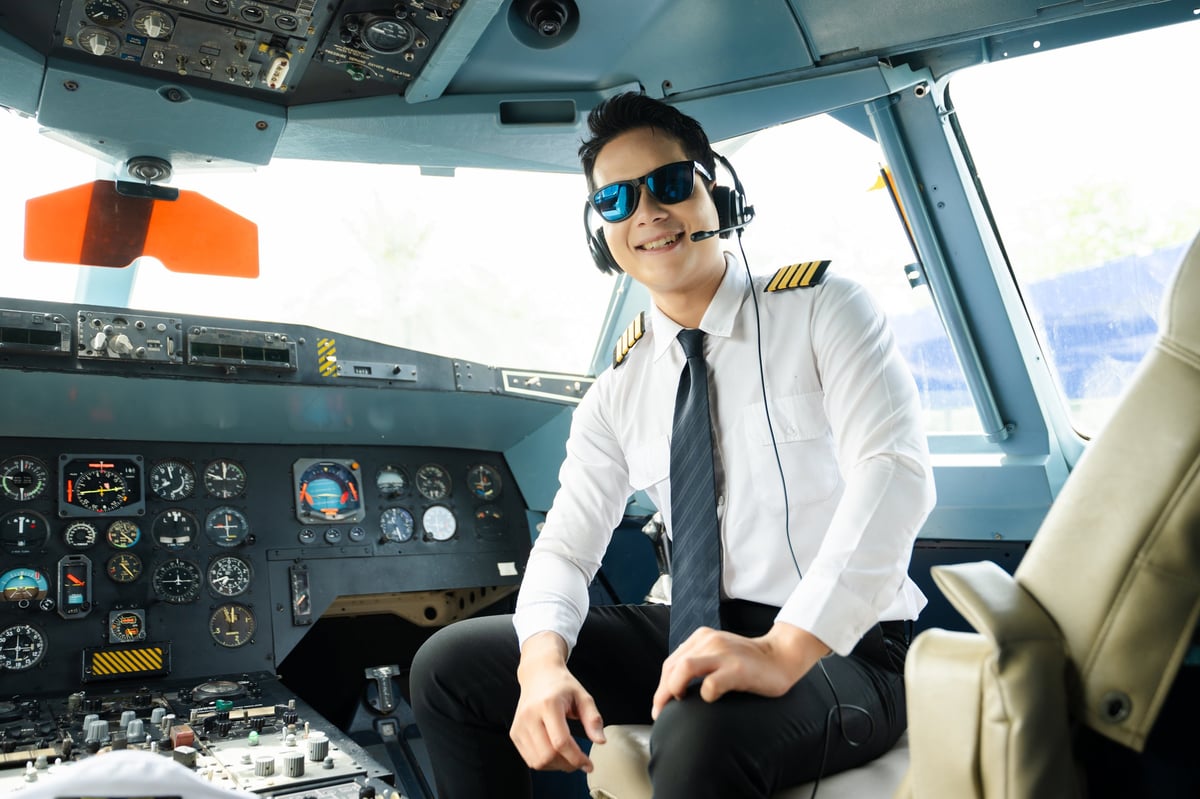
Airline pilot in uniform with headset giving thumbs up in airplane cockpit, ideal for aviation, travel, and professional aviation lifestyle stock imagery
The Training

From Private Pilot to Professional

Commercial training is where flying becomes a craft. We push your airmanship well past private-pilot standards — tighter altitude and airspeed tolerances, commercial maneuvers, and the decision-making expected of a paid pilot.

Commercial Maneuvers

Chandelles, lazy eights, steep spirals, eights on pylons — flown to ACS tolerances.

Complex Aircraft

Constant-speed propeller, retractable gear, and higher-performance systems management.

Risk Management & ADM

Aeronautical decision-making, single-pilot resource management, and commercial-level judgment.

Career Pathway

Commercial is the gateway to CFI, banner towing, skydive ops, pipeline patrol, and eventually the airlines.

What a Commercial Certificate Lets You Do

Flight Instructing

Build hours fast as a CFI — the most common route to 1,500 hours.

Skydive & Banner Ops

Paid flying in jump operations and banner towing.

Pipeline & Survey

Aerial survey, pipeline patrol, and photography missions.

Charter & Beyond

The foundation for Part 135 charter and airline careers.

Ready to Fly for a Living?

Talk with our instructors about where you stand on hours and the most efficient path to your Commercial Pilot certificate in Lynchburg.