Most people assume flight instructors are just pilots logging hours before moving on to the airlines. That framing undersells one of the most consequential jobs in aviation. The role of a flight instructor is to build the next generation of safe, competent pilots from the ground up. Every habit, every judgment call, and every safety instinct a new pilot develops traces back directly to the instructor sitting beside them. If you are exploring aviation as a career, understanding what instructors actually do and what it takes to become one will sharpen your entire perspective on the profession.
Far more than hour-building. Flight instructors shape pilot safety habits, professional attitudes, and technical skills from day one.
Full regulatory responsibility. CFIs operate under FAA 14 CFR Parts 61 and 141, carrying legal and safety accountability for every student.
Certification demands real teaching skill. The CFI checkride tests your ability to instruct, not just fly, including oral lessons delivered to the examiner.
Consistency drives student success. Students who fly at least twice weekly retain skills far better and progress faster toward certification.
Instruction builds airline-ready skills. Communication, risk management, and leadership developed through instructing are qualities airlines actively recruit.
The job is genuinely multifaceted. CFI duties include in-air instruction, comprehensive ground training, ongoing student assessment, and strict regulatory compliance. You are not just demonstrating maneuvers. You are building a pilot's entire operational foundation.
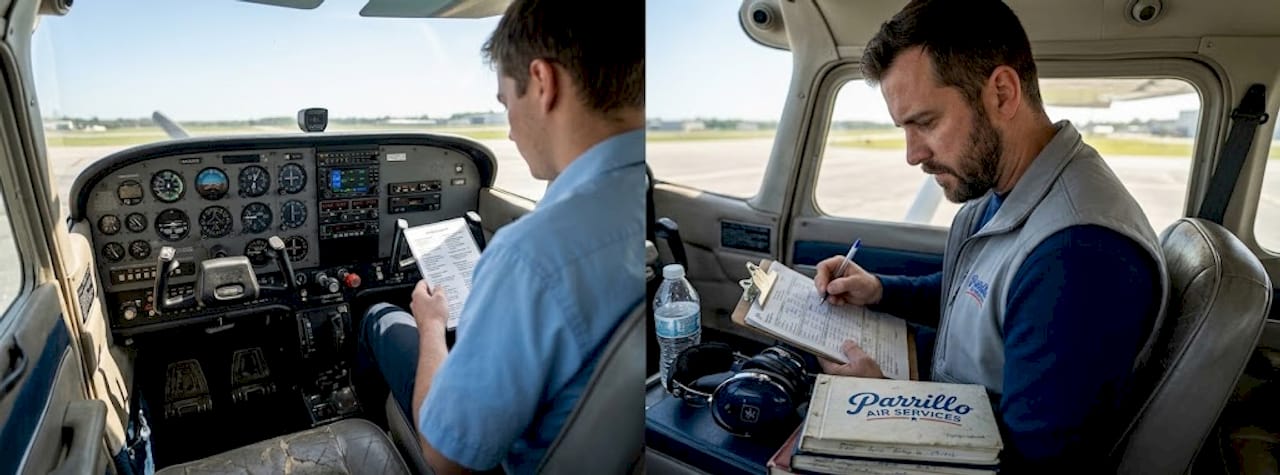
In the air, you manage safety during every training flight, often from the right seat, while simultaneously teaching, monitoring student inputs, and making split-second decisions about when to intervene. That dual focus requires a level of situational awareness that exceeds what most solo pilots ever practice. On the ground, you plan lessons, conduct preflight briefings, debrief after flights, and track each student's readiness for FAA testing.
The responsibilities of flight instructors also extend into regulatory territory. Under FAA 14 CFR Part 61, you are accountable for the accuracy of endorsements you sign. That means confirming a student is genuinely prepared before logging that they are, which has real consequences if they fail a checkride or, worse, have an accident. Your signature carries legal weight.
Here is a quick breakdown of what the job covers across different training types:
Pro Tip: Write out lesson plans for every flight, even when you know the material cold. Students can tell the difference between a structured lesson and improvisation, and the FAA expects detailed documentation if a student's progress is ever questioned.
Flight instructors also play a foundational safety role that extends well beyond any single student. Instructors establish early behaviors like discipline, workload management, and communication habits that pilots carry throughout their entire careers. A student who learns to cut corners with checklists in training will likely do the same at 35,000 feet years later.
Becoming a CFI is not a shortcut to the airlines. It is a legitimate certification process that demands both technical competency and the ability to teach. Here is what the path looks like:
One thing many candidates underestimate is the oral exam format. You are not just answering questions. You are teaching. Many candidates fail because they practiced flying maneuvers but never rehearsed delivering ground lessons out loud to another person. Verbal fluency under pressure is a skill that requires deliberate practice.
Pro Tip: Record yourself delivering a ground lesson on any topic, then play it back. You will immediately notice filler words, unclear explanations, and gaps in logic that you would never catch while talking to your bathroom mirror.
Pro Tip
Record yourself delivering a ground lesson on any topic, then play it back. You will immediately notice filler words, unclear explanations, and gaps in logic that you would never catch while talking to your bathroom mirror.
For a detailed breakdown of the FAA instructor rating process, including the specific regulatory requirements, it helps to map out each milestone before you start training.
Good instruction is not just about knowing the material. It is about reading the person sitting next to you and adjusting in real time.
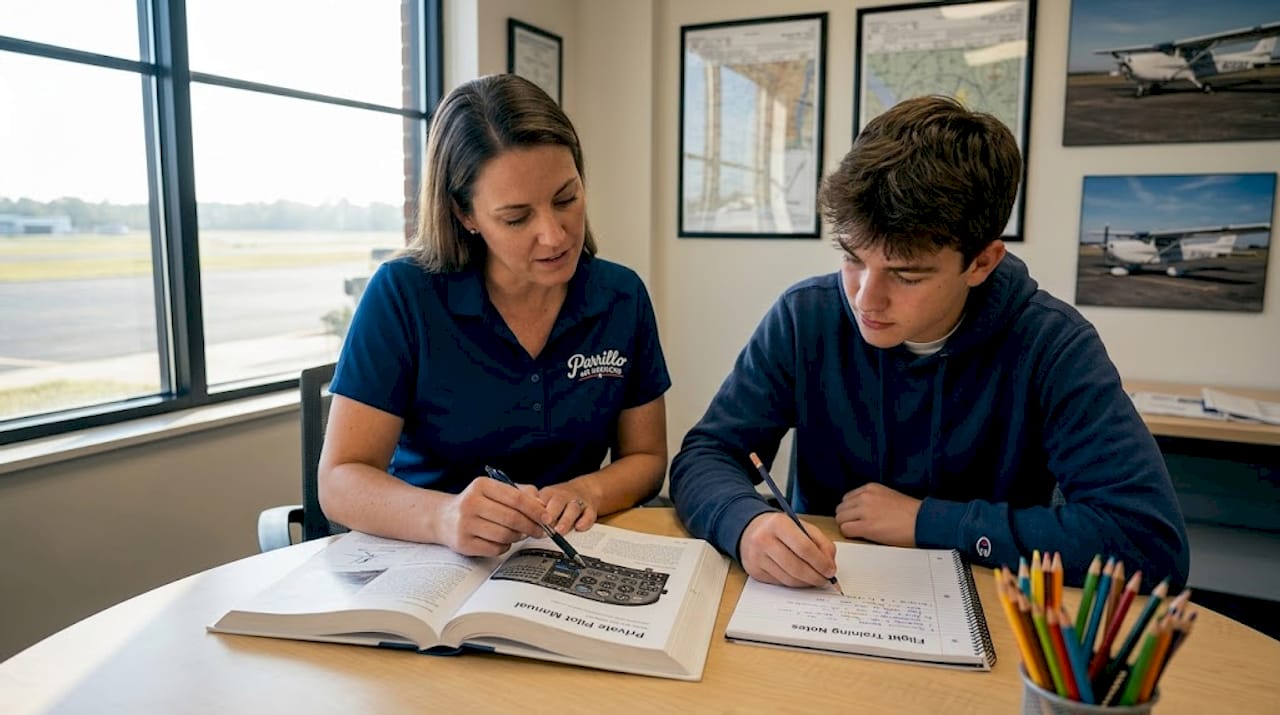
Training frequency matters more than most students realize. Flying with your instructor at least twice per week is the minimum for meaningful skill retention. Three times per week is even better. When students go two or three weeks between lessons, instructors spend the first 20 minutes of each flight rebuilding lost ground rather than advancing new material. That stalls progress and inflates training costs.
Ground instruction is where many instructors either win or lose their students. Student engagement during preflight briefings directly predicts how well they retain and apply information in the air. If a student glazes over during a ground briefing, they will not suddenly sharpen up at 3,000 feet. Effective instructors use questions, visual aids, and scenario-based discussion to keep ground sessions active, not one-sided lectures.
Here is what separates good instructors from excellent ones when it comes to the actual teaching relationship:
The aviation industry is slowly recognizing what the Flight Safety Foundation has argued for years. Flight instruction is a safety-critical profession, not a temporary phase pilots endure before real flying begins. That shift in thinking is opening up more structured career tracks within training organizations.
The table below shows how the instructor career path has evolved:
| Role | Primary focus | Career impact |
|---|---|---|
| Entry-level CFI | One-on-one student instruction, hour-building | Foundational teaching experience |
| Senior CFI | Mentoring newer instructors, advanced ratings | Leadership and standardization skills |
| Standardization instructor | Maintaining training consistency across staff | Direct influence on safety culture |
| Chief flight instructor | Program oversight, regulatory compliance | Management experience, FAA liaison |
Beyond the title progression, instructors who add ratings like CFII (instrument instructor) or MEI (multi-engine instructor) expand both their earning potential and their value to flight schools. Structured instructor career paths embed experienced instructors directly into an organization's safety systems, improving training consistency across all students, not just the ones a single CFI happens to teach.
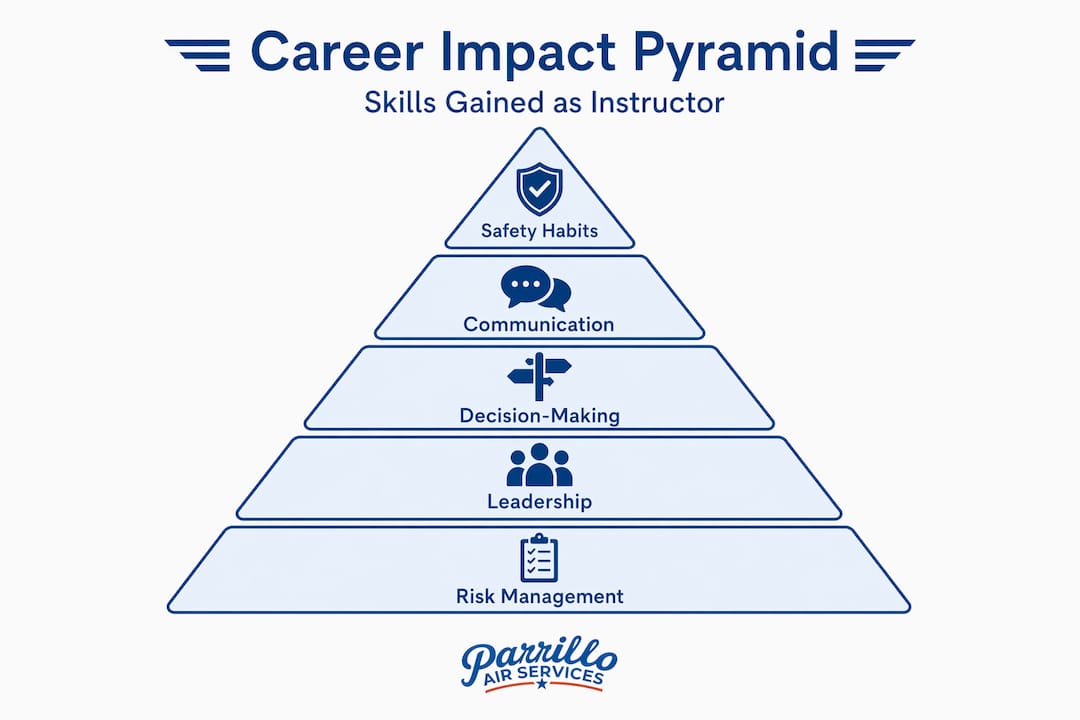
From an airline career perspective, flight instruction develops soft skills like communication, decision-making, and risk management that airlines specifically value. An applicant who spent three years teaching a hundred students to fly demonstrates far more leadership depth than someone who simply accumulated hours as a solo pilot. That distinction shows up clearly in airline interviews.
I've watched pilots treat their CFI certificate as a waiting room for the airlines, and the results are predictable. Students get inconsistent instruction, safety habits develop poorly, and both parties end up frustrated. When I think about the instructors who genuinely shaped great pilots, they all shared one quality: they treated teaching as the actual job, not a detour from it.
What I've learned from watching this dynamic play out is that instructing makes you a significantly better pilot. The process of explaining every decision out loud, anticipating student errors before they happen, and managing a dual-control aircraft with someone learning in real time sharpens your own skills in ways that solo flying simply cannot replicate.
The hardest part of the job is not the flying. It is patience, adaptability, and the ability to communicate the same concept six different ways until the one that clicks finally lands. Pilots who are technically excellent but impatient will struggle as instructors, and their students will feel it.
My honest belief is that aviation gets safer when we treat the importance of flight instructors as a professional discipline with its own career trajectory. The industry is moving that direction, slowly. If you are exploring instruction as a career step, lean into it fully. The skills you build will transfer to every aviation role you ever hold.
— Gm

At Parrillo Air Services in Lynchburg, VA, flight instructor certification is treated as a genuine career milestone, not just a checkbox. Whether you are working toward your private pilot certificate or ready to pursue your CFI rating, the training programs at Parrillo Air are structured to build real-world competency at every level. The school's instructors bring hands-on experience to every lesson, and the curriculum follows FAA Part 61 standards with the kind of personalized attention that makes the difference between grinding through ratings and actually mastering them. If you are ready to explore what the path looks like for you, explore Parrillo's training programs and take the first real step toward a professional aviation career.
A flight instructor conducts preflight ground briefings, manages in-flight instruction across maneuvers and procedures, and delivers a postflight debrief. They also track student progress, sign regulatory endorsements, and prepare students for FAA written and practical exams.
You must first hold a commercial pilot certificate, which requires a minimum of 250 total flight hours under FAA regulations. Additional right-seat practice hours are needed specifically for CFI preparation before the practical test.
The CFI practical test typically takes a full day, with a 3-to-4-hour oral exam and a 1.5-to-2-hour flight portion. The format requires candidates to instruct the examiner, who plays the role of a student.
Flight instructors establish foundational habits in pilots, including discipline, workload management, and communication, that shape how those pilots perform throughout their entire careers. High instructor turnover weakens safety standardization across the industry.
Yes. With ratings like CFII and MEI, and advancement into senior or standardization roles, flight instruction offers a structured career path with growing recognition as a safety-critical profession and strong preparation for airline leadership roles.