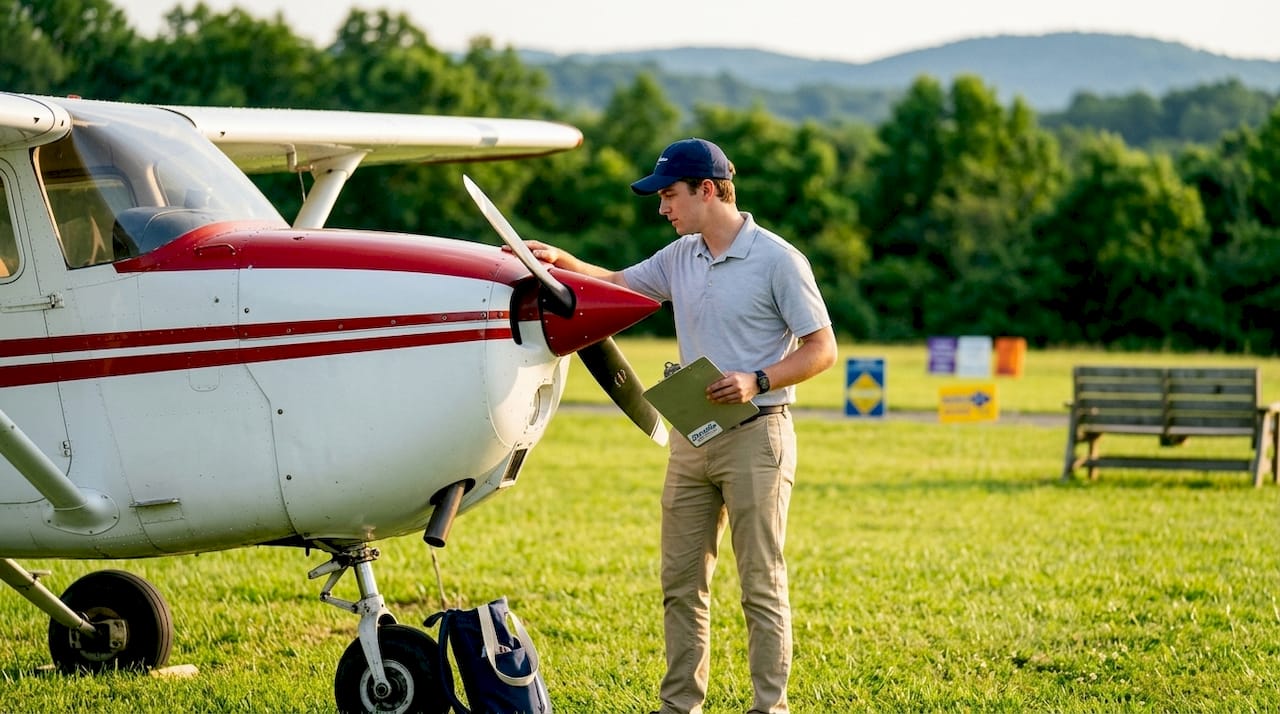
Lynchburg, Virginia is one of the strongest locations for flight training in the state, combining FAA Examining Authority, a busy Class D airport, and active federal support into a package few Virginia cities can match. Aspiring pilots who train here gain in-house certification, real-world air traffic exposure, and access to modernized safety protocols backed by the FAA and the Department of Transportation. The question of why Lynchburg, Virginia is good for flight training has a clear answer: the infrastructure, airspace, and institutional support here are built specifically to produce career-ready pilots.
Lynchburg holds a rare combination of advantages that most flight training locations simply do not offer. The area has FAA Examining Authority for Private Pilot and Instrument Rating courses, meaning students can complete their checkrides without waiting on external examiners. That single factor changes the entire pace of training. Add a controlled, mixed-traffic airport and strong government backing, and you have one of the best places for flight training in Virginia.
The standard industry term for this type of training environment is a "Part 141 or Part 61 approved flight training ecosystem." Lynchburg supports both. FAA Part 61 schools like Parrillo Air Services offer flexible, personalized instruction that fits students who need scheduling freedom. Part 141 programs follow a more structured FAA-approved curriculum. Both pathways lead to the same FAA certificates, but the local infrastructure here accelerates both.
FAA Examining Authority is the formal designation that allows a flight school to conduct its own FAA practical tests, also called checkrides, without relying on an outside Designated Pilot Examiner. That distinction matters more than most aspiring pilots realize.
External Designated Pilot Examiners often have long wait times. A student who finishes all required flight hours may sit idle for weeks before an examiner slot opens. In-house FAA certification removes that bottleneck entirely. The school schedules the checkride on its own timeline, keeping students moving forward.
The Lynchburg flight training community achieved this milestone as of april 2026, when local aeronautics programs were granted FAA Examining Authority for Private Pilot Certificates. That achievement reflects years of institutional investment and FAA trust. It is not a designation handed out casually.
Key benefits of FAA Examining Authority for student pilots include:
Pro Tip: When evaluating any Lynchburg flight school, ask directly whether it holds FAA Examining Authority or works with a local Designated Pilot Examiner. The answer tells you a lot about how long your certification process will actually take.
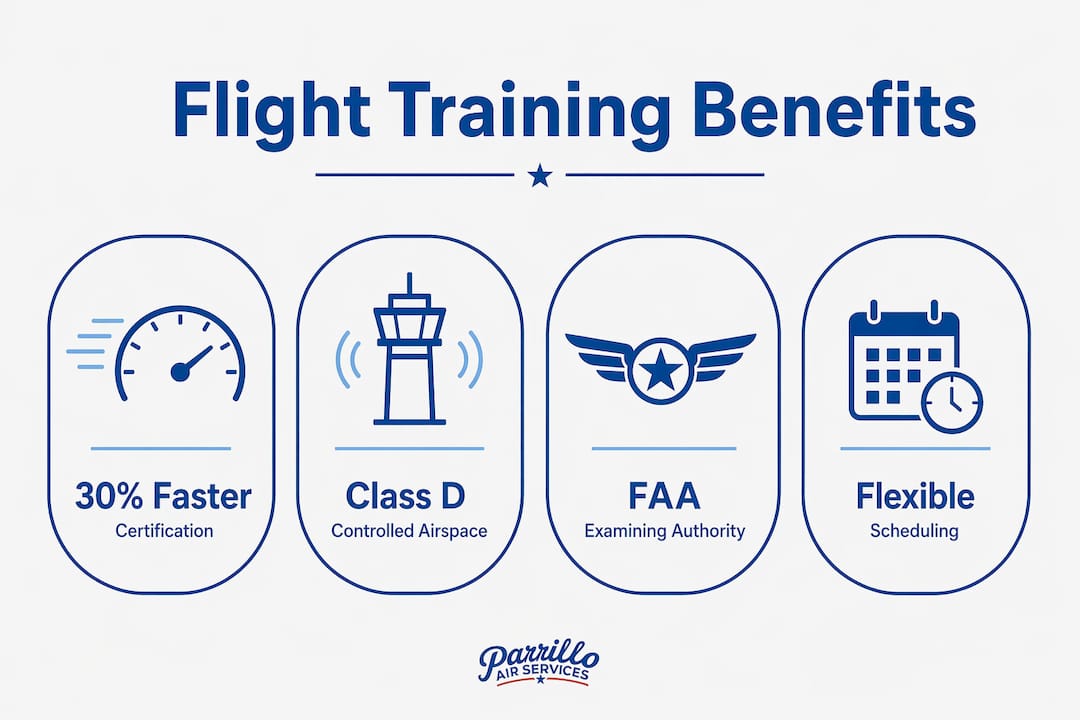
Lynchburg Regional Airport, designated KLYH, is a Class D controlled airport with commercial, corporate, and heavy student traffic operating simultaneously. That mix is not a complication. It is the training advantage.
Student pilots who train at quieter, uncontrolled fields develop basic stick-and-rudder skills. But they often struggle when they enter professional aviation and face busy tower communications, sequencing instructions, and mixed-traffic patterns for the first time. Training at KLYH means those scenarios are part of every flight from day one.
| Training Environment | Traffic Type | Tower Control | Career Readiness |
|---|---|---|---|
| Rural uncontrolled field | Light general aviation | None | Lower |
| Small Class D airport | Mixed general aviation | Yes | Moderate |
| KLYH (Lynchburg Regional) | Commercial, corporate, student | Yes | High |
Career readiness improves when students regularly navigate complex airspace. Pilots trained at KLYH arrive at regional airline interviews already comfortable with controlled environment procedures, radio discipline, and traffic awareness. That comfort is hard to fake and easy to see in a simulator evaluation.
The airport also participates in FAA modernization programs, meaning students train with current industry technology and safety protocols rather than outdated equipment. The FAA and Department of Transportation have made technology modernization a priority, and Lynchburg's training environment reflects that directly.
Government support for pilot training in Lynchburg is not passive. The Richmond FAA Flight Standards District Office actively supports local flight schools, improving examiner availability and training infrastructure across the region. That partnership translates into faster access to Designated Pilot Examiners and Mechanic Examiners when in-house authority is not available.
Federal initiatives also prioritize pilot workforce development. Lynchburg's training ecosystem connects roughly 6,000 aeronautics students through regional and federal programs focused on modernizing training technology and addressing the national pilot shortage. That scale of investment signals long-term commitment, not a short-term program.
The practical benefits for individual students include:
Pro Tip: Ask your flight school whether it has an active relationship with the Richmond FAA FSDO. Schools with strong FSDO ties resolve regulatory questions faster and maintain better examiner access, which directly affects your training timeline.
Lynchburg offers a full range of pilot training pathways, from a first discovery flight to professional certifications. The options suit both students who want a career in aviation and those pursuing flying as a serious personal goal.
Liberty University's School of Aeronautics also offers FAA-approved bachelor and master's degrees with integrated flight training, giving students the option to combine academic credentials with FAA certification in a single program. That combination is increasingly valued by major airlines during hiring.
The flexibility of Lynchburg's training options means you do not have to choose between speed and depth. FAA Part 61 programs like those at Parrillo Air Services let you train on a schedule that fits your life. Structured programs provide a clear curriculum with defined milestones. Both paths lead to the same FAA certificates and the same career opportunities.
Lynchburg, Virginia delivers faster pilot certification, better career preparation, and stronger institutional support than most Virginia flight training locations.
| Point | Details |
|---|---|
| FAA Examining Authority | In-house checkrides eliminate external examiner wait times and speed up certification. |
| Class D airport training | KLYH's mixed commercial and student traffic builds real-world pilot skills from day one. |
| Government and FAA support | Richmond FSDO partnerships and federal programs improve examiner access and training quality. |
| Full certification pathways | Programs range from discovery flights to commercial and CFI ratings under FAA Part 61. |
| 6,000-student training network | Federal initiatives connect thousands of aeronautics students, signaling long-term investment in Lynchburg aviation. |
Most aspiring pilots research aircraft types, instructor reviews, and hourly rates. Very few ask the question that matters most: where will I actually be flying, and what will that airspace teach me?
I have seen students complete their training at quiet rural fields and then freeze the first time a tower controller sequences them behind a regional jet. That gap is not a skill problem. It is an environment problem. Training at a controlled, busy airport like KLYH closes that gap before it becomes a career liability.
The FAA Examining Authority piece is equally underappreciated. Students focus on hours and costs, but the bottleneck that actually delays most certifications is examiner availability. A school with in-house examining authority removes that variable entirely. You finish your hours, you schedule your checkride, and you move on. That is how training should work.
The government support angle is the one most students ignore completely. Lynchburg's connection to the Richmond FAA FSDO and federal workforce development programs is not a marketing point. It is a structural advantage that keeps examiner pools full, safety standards current, and training infrastructure funded. Those factors show up in your training quality whether you notice them or not.
My advice: when you evaluate a flight training location, weight the airspace complexity and institutional support as heavily as you weight the price per hour. The cheapest training is rarely the fastest or the most career-ready.
— Gm
Parrillo Air Services offers FAA Part 61 pilot instruction at Lynchburg Regional Airport, covering everything from discovery flights to commercial and flight instructor certifications.

The school's personalized approach means your training schedule fits your life, not the other way around. Instructors focus on building real skills in a real controlled airspace environment, the same environment that produces career-ready pilots. If you are serious about earning your wings in Virginia, Lynchburg gives you the infrastructure to do it right. Get full program details and take the first step toward your pilot certificate with Parrillo Air Services.
Lynchburg combines FAA Examining Authority, a busy Class D airport, and strong federal support into one of the best flight training environments in Virginia. Train with Parrillo Air Services and build the real-world skills that produce career-ready pilots.
Get Full Program DetailsFAA Examining Authority allows a flight school to conduct its own pilot checkrides without relying on an external Designated Pilot Examiner. It eliminates scheduling bottlenecks and shortens the time between completing flight hours and receiving your certificate.
Lynchburg Regional Airport (KLYH) is a Class D controlled airport with commercial, corporate, and student traffic. That mix gives student pilots daily exposure to realistic, complex airspace conditions that directly improve career readiness.
Lynchburg flight schools offer training for the Private Pilot License, Instrument Rating, Commercial Pilot Certificate, and Flight Instructor Certificate. Programs follow FAA Part 61 or Part 141 standards depending on the school.
The Richmond FAA Flight Standards District Office partners with local schools to improve examiner availability and maintain current safety standards. Federal workforce development programs also connect thousands of aeronautics students through Lynchburg's training network.
Parrillo Air Services operates under FAA Part 61, which allows personalized, flexible scheduling rather than a fixed curriculum timeline. That structure suits students who balance training with work or other commitments.