A jumpsuit career in aviation is defined as any professional role where the flight suit serves as the primary uniform, safety tool, or occupational symbol, covering positions from cockpit crew and LOSA observers to flight equipment officers and aviation safety managers. The term is informal and not a recognized FAA or ICAO job classification. The standard industry terms are "flight suit role" or "operational aviation career." Understanding what does jumpsuit career mean aviation requires separating two distinct threads: the flight suit as personal protective equipment, and the "jumpseat" as a position tied to safety observation programs governed by ICAO Doc 9803.
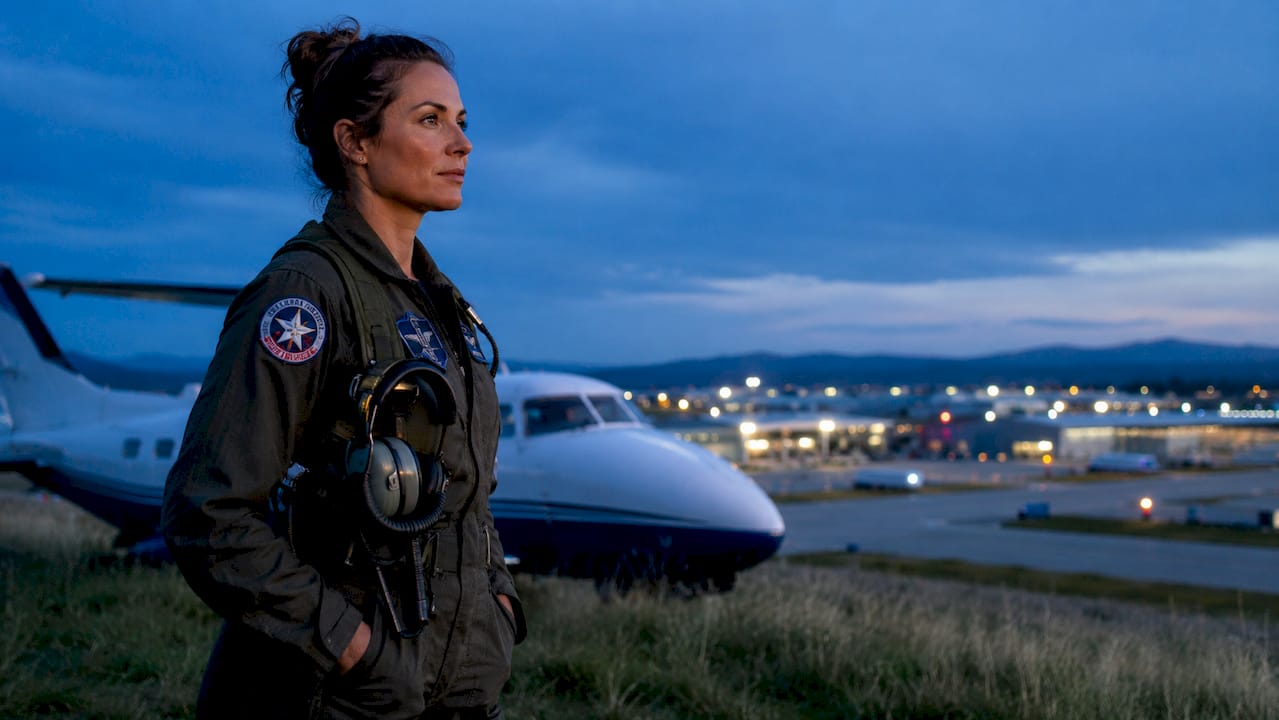
The flight suit is not a fashion choice. It is technical protective equipment designed to keep pilots and crew alive during cockpit emergencies. Modern flight suits use flame-resistant Nomex fabric, which resists ignition and limits burn injury during fuel fires. That single material choice separates a true aviation flight suit from any fashion jumpsuit sold at a retail store.
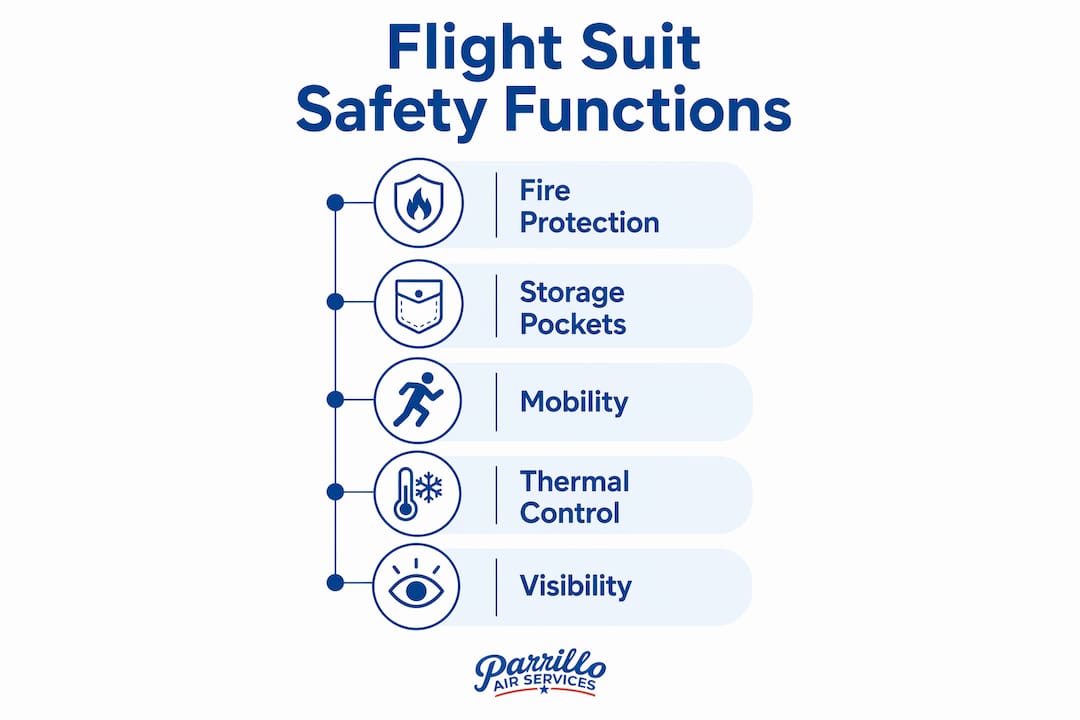
Flight suits also serve operational functions beyond fire protection. They include multiple storage pockets for charts, pens, survival tools, and communication gear. Temperature regulation matters too, since cockpit environments shift dramatically between ground operations and high-altitude flight. The suit holds everything a pilot needs within arm's reach without adding bulk that limits movement.
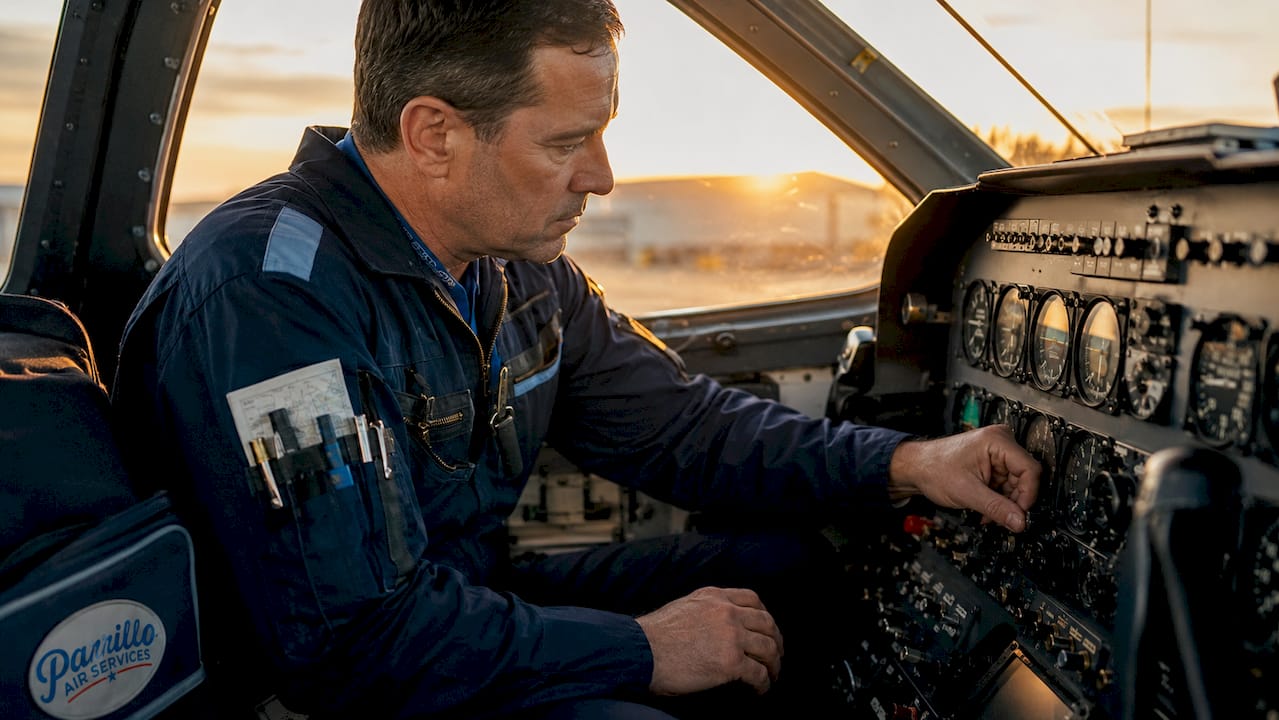
The confusion around "jumpsuit career" comes from two sources. First, the word "jumpsuit" has crossed into mainstream fashion, making people assume the aviation version is similar. Second, the term "jumpseat" in LOSA programs gets shortened colloquially to "jumpsuit" in casual conversation. These are different things, and mixing them up leads to real misunderstandings about aviation job typologies.
Pro Tip
When researching aviation careers, always check whether a job posting uses "flight suit" or "jumpseat." The first signals a hands-on operational role; the second often points to a safety observation or quality assurance position.
The evolution of the flight suit tracks directly with the growth of aviation risk. Early flight suits were made from wool and leather, designed to protect open-cockpit pilots from wind and cold. As aircraft became faster and more complex, the threats changed. Fire, pressurization failures, and ejection forces demanded a completely different approach to pilot protection.
Modern suits address those threats through specific design features:
The distinction between a real flight suit and a novelty jumpsuit is not cosmetic. A fashion jumpsuit offers zero fire protection and fails every regulatory standard for operational aviation use. Careers in aviation jumpsuits require wearing gear that meets those standards, not approximations of them.
The jumpseat observer role is the most direct link between "jumpsuit" terminology and a formal aviation career track. LOSA programs, governed by ICAO Doc 9803, place trained observers in the cockpit jumpseat during normal revenue flights. Their job is to watch, record, and analyze crew behavior without interfering with operations. The data they collect is de-identified and confidential, which encourages flight crews to behave naturally.
This role sits inside Aviation Safety Management Systems, or SMS, which airlines and aviation organizations use to identify risk before accidents happen. LOSA observers do not fly the aircraft. They document threats, errors, and undesired aircraft states using validated coding forms. That data feeds into safety databases that regulators and airline safety departments use to shape training programs and procedures.
The career path for a LOSA observer typically follows this progression:
| Role | Primary Function | Typical Setting |
|---|---|---|
| LOSA Observer | Cockpit safety monitoring | Revenue airline flights |
| Aviation Safety Manager | SMS program oversight | Airlines, aviation authorities |
| Flight Equipment Officer | Life support gear management | Military, aerospace firms |
| Technical Operations Manager | Regulatory compliance and training | Airlines, defense contractors |
Flight suit roles span military and civilian aviation, and the salary range reflects the specialized knowledge these positions demand. Aviation safety management careers such as Aviation Safety Manager and Technical Operations Manager offer entry-level salaries from $65,000 to $85,000 in 2026. That range reflects the technical depth required from day one. Experienced professionals in these roles earn up to $130,000 or more.
The Flight Equipment Officer role, common in military aviation, manages life support and survival equipment for flight crews. This includes parachutes, oxygen systems, ejection seats, and the flight suits themselves. That technical expertise transfers directly to civilian aerospace manufacturing and defense contracting. Specialized aviation safety roles emphasize quality assurance, regulatory compliance, training program management, and risk assessment.
Skills that define these careers include:
Understanding aviation career dedication is critical before committing to any of these tracks. These are not entry-level positions that require minimal preparation. They demand a combination of flight experience, technical training, and a genuine commitment to safety culture.
The flight suit carries meaning beyond its technical function. Flight suits started as functional necessities and grew into symbols of professional identity, inclusion, and aspiration within aviation. No example illustrates this more clearly than the Tuskegee Airmen.
The Tuskegee Airmen wore the same drab green wool and cotton flight suits as their white counterparts, but the act of wearing that uniform carried a different weight. It represented a demand for equal treatment in a military that had denied them that equality. The flight suit became a visual argument for inclusion, worn by pilots who had to prove their competence at every stage of their careers.
"The flight suit that helped open the skies for Black pilots was not just protective gear. It was a statement that these men belonged in the cockpit, and the data from their combat record proved it beyond any argument."
That symbolic weight persists today. NASA astronauts wear orange pressure suits that trace their design lineage directly to military flight suits. Search-and-rescue crews wear high-visibility versions that signal their role before they say a word. The suit communicates professional identity instantly, which is why it remains central to aviation culture decades after open cockpits disappeared.
Fashion borrowed the jumpsuit silhouette from aviation, but the operational flight suit never followed fashion back. It remained strictly technical, focused on mobility and survival under conditions no fashion designer would engineer for.
A jumpsuit career in aviation covers flight suit roles and jumpseat safety positions, both requiring specialized training, regulatory knowledge, and a commitment to operational safety.
| Point | Details |
|---|---|
| Jumpsuit career is informal | The standard terms are "flight suit role" and "operational aviation career," not a recognized FAA or ICAO classification. |
| Flight suits are safety equipment | Nomex flame-resistant fabric and regulatory compliance separate real flight suits from fashion jumpsuits entirely. |
| LOSA observers use the jumpseat | ICAO Doc 9803 governs jumpseat observer roles that monitor crew behavior confidentially during revenue flights. |
| Salary range is competitive | Aviation safety management roles pay $65,000–$85,000 at entry level and up to $130,000+ with experience in 2026. |
| Cultural significance matters | The flight suit represents professional identity and inclusion, from the Tuskegee Airmen to NASA astronauts today. |
Most people searching for "what does jumpsuit career mean aviation" are looking for a job title. They want a clean answer: here is the role, here is the salary, here is how to get there. The reality is messier and more interesting than that.
The "jumpsuit career" is not a single job. It is a cluster of roles connected by a shared commitment to operational safety and the physical reality of working in or around flight environments. The LOSA observer sitting in the jumpseat and the Flight Equipment Officer certifying parachutes before a mission share more in common than their job titles suggest. Both require technical precision. Both operate in environments where a mistake has consequences that cannot be undone.
What I find underappreciated is how well these roles transfer across sectors. A military Flight Equipment Officer who transitions to civilian aerospace brings skills that airlines and defense contractors actively recruit for. The pay scales in aviation reflect that demand. These are not niche positions that dead-end after a few years. They are career tracks with genuine upward mobility.
My honest advice: if you are drawn to aviation but not certain the pilot seat is your destination, the safety and equipment management side of the industry deserves serious consideration. The flight suit is the uniform of people who keep aviation safe, and that work matters as much as flying the aircraft.
— Gm
Parrillo Air Services offers FAA Part 61 flight training in Lynchburg, VA, covering everything from discovery flights to commercial pilot and flight instructor certifications. Every program builds the flight experience and safety knowledge that aviation careers require, whether your goal is the cockpit, the jumpseat, or a safety management role.

The programs at Parrillo Air Services are built around personalized instruction and flexible scheduling, which means your training fits your timeline. Students who complete commercial and instrument ratings gain the foundational hours and regulatory knowledge that LOSA observer training and aviation safety roles require. If you are ready to take the first step, request more information and find out which program fits your goals.