Buy renters (non-owned) liability insurance that meets your flight school's minimum, and aim for $1 million in coverage. Carry your certificate of insurance before your next solo flight. This single policy protects your savings if you damage a rented aircraft or hurt someone during a lesson.
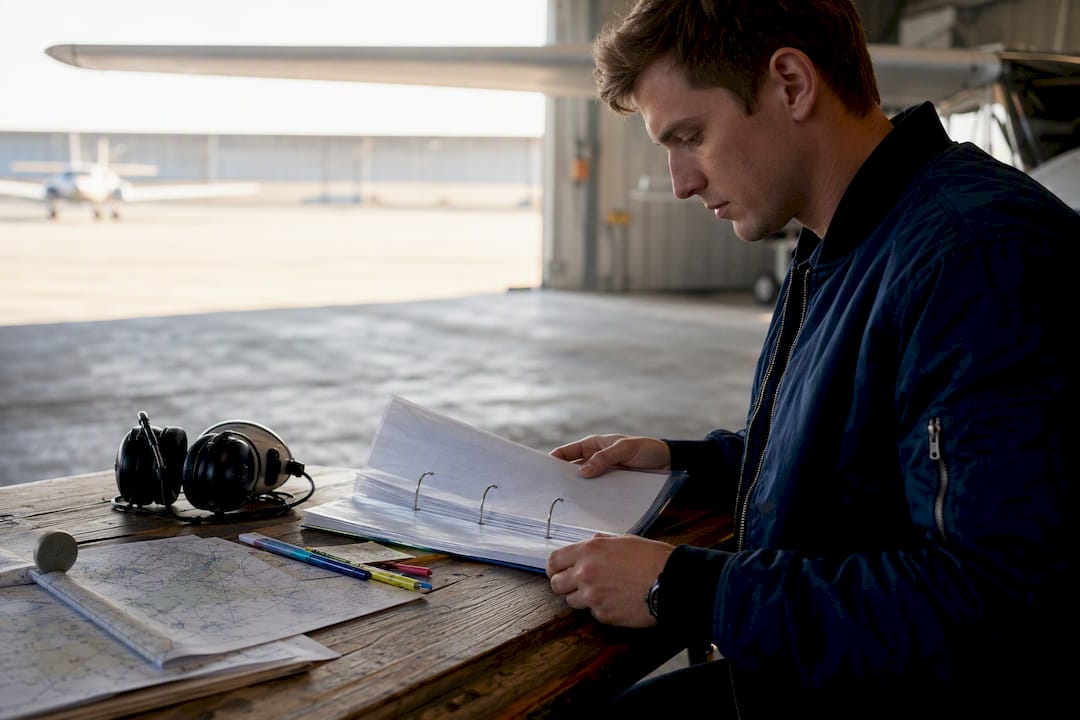
Student pilots who carry their own renters liability policy, matched to their school's endorsement requirements, avoid the financial exposure that flight-school insurance alone doesn't cover.
| Point | Details |
|---|---|
| Set liability at $1 million | This is the common industry benchmark; confirm your school's actual written minimum before buying. |
| Expect subrogation exposure | Owner insurers can pursue renters for deductibles and damages after paying a claim. |
| Budget $1,000 and up | Liability-only policies start low; adding hull coverage raises premiums into the several-hundred-dollar range. |
| Match policy type to flying frequency | Choose on-demand for occasional flights, annual coverage if you fly more than twice a month. |
| Parrillo requires proof before solo | Parrillo Air Services asks students for a certificate of insurance and instructor sign-off ahead of first solo flights. |
Renters insurance, also called non-owned aircraft insurance, covers you personally when you fly a plane you don't own. Most student pilots assume the flight school's policy protects them. It doesn't, not fully.
Here's the exposure you're actually carrying every time you take the controls:
Picture this: you're on your third solo flight and a gust pushes the nose gear off the runway edge. Nobody's hurt, but the prop strikes gravel and needs a teardown inspection costing thousands. The school's insurer pays, then pursues you for the deductible. Without your own policy, that bill lands on you directly.
A standard renters policy for a student pilot bundles several protections into one premium, and each one solves a different financial problem.
SkyWatch explains that non-owned policies commonly bundle third-party liability, medical payments, and physical damage liability together, with legal defense included in most professional policies. That bundling matters because a single incident often triggers more than one type of claim at once, a fender bender on the ramp can turn into a liability claim, a hull claim, and a loss-of-use claim simultaneously.
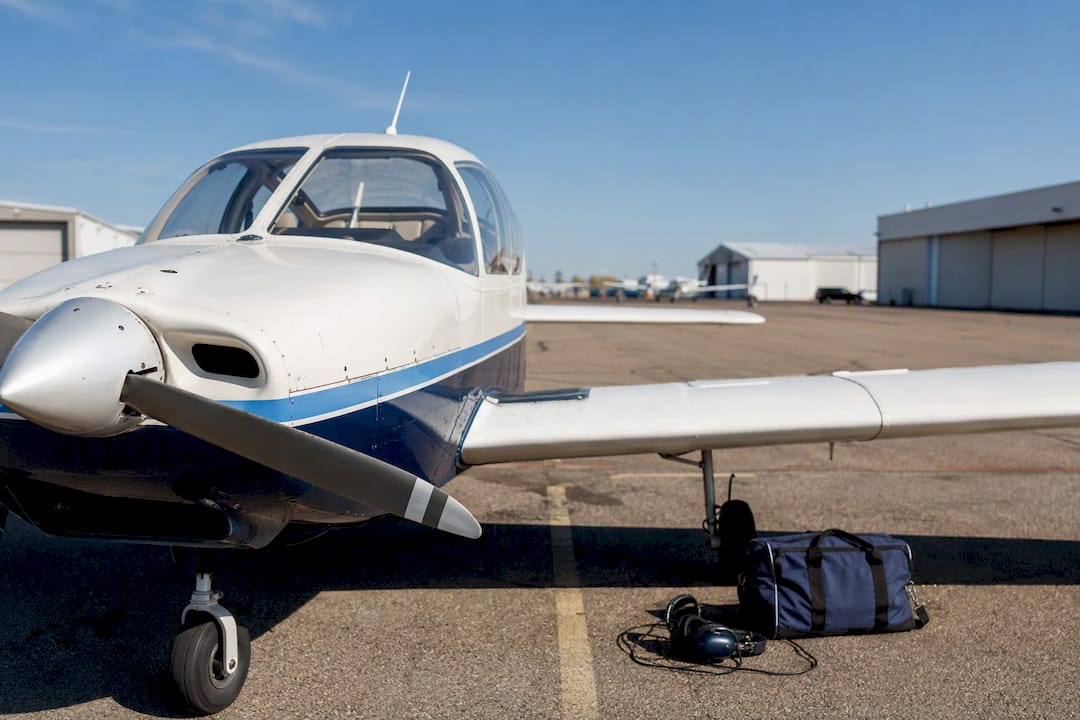
Flight schools and FBOs carry their own liability policies, but those policies exist to protect the business, not you personally. AOPA notes that flight-school coverage often leaves gaps for individual renters, which is exactly why rental agreements push liability back onto the pilot in writing.
Expect your rental agreement to include some combination of these clauses:
Sporty's Academy, for example, requires renters to carry at least $60,000 in hull liability for aircraft in its fleet, on top of standard liability minimums. Subrogation is the mechanism that connects the deductible to your wallet: the owner's insurer pays the claim, then comes after you to recover what the rental contract says you owe.
Liability-only coverage for student pilots commonly starts at a relatively low annual rate and climbs based on your limits, location, and the aircraft you fly. Avemco advertises entry rates at that low end for basic liability, though most students end up paying somewhat more once they add physical damage coverage. Bundling in hull protection typically raises premiums into a higher annual range.
What actually moves your premium:
Budget rule of thumb: treat renters insurance as a fixed line item alongside instructor fees and aircraft rental rates when you compare flight training costs, not an afterthought you handle once solo is scheduled.
The right answer depends entirely on how often you're in the air, not on price alone.
Before you hand over a credit card number, run through this list.
Pro Tip: Read the exclusions page before the declarations page. Some policies quietly exclude coverage during flight instruction, which defeats the entire purpose for a student pilot.
Red flags worth walking away from: a policy that excludes the trainer aircraft you actually fly, an insurer that won't issue an additional-insured endorsement, or a quote suspiciously cheaper than everyone else's with no explanation why.

The same errors show up year after year, and they're avoidable.
Several established U.S. providers serve student pilots, and they differ in meaningful ways.
Compare on four things: price, how fast they issue proof of insurance, whether hull coverage is available, and whether they'll write the additional-insured endorsement your school needs. Confirm the exact wording your school requires before you buy anything.
At Parrillo Air Services, we ask students to carry proof of coverage that names our school as required and to confirm limits with an instructor before scheduling a first solo. A typical checklist looks like this:
Students working through our student pilot certificate guide get this checklist early, well before solo flight becomes a scheduling conversation.
Parrillo Air Services believes personal renters coverage isn't optional paperwork, it's part of flying responsibly. It protects your finances and keeps our training aircraft available for the next student. Have school-specific questions? Reach out before your next lesson.
Parrillo Air Services isn't an insurance broker, but we work with renters insurance every day because our rental agreements require it. What we offer that a generic insurance shopping guide can't: a direct answer on exactly what endorsement language our school needs, before you buy a policy that doesn't match.

If you're still working toward your certificate, our student pilot certificate guide walks through the milestones tied to insurance timing, including when proof is due before solo. And if you haven't started training yet, read how to start flight training as a beginner pilot and then reach out to schedule a discovery flight with our team in Lynchburg. We'll tell you exactly what your policy needs to say before you ever step to the aircraft.