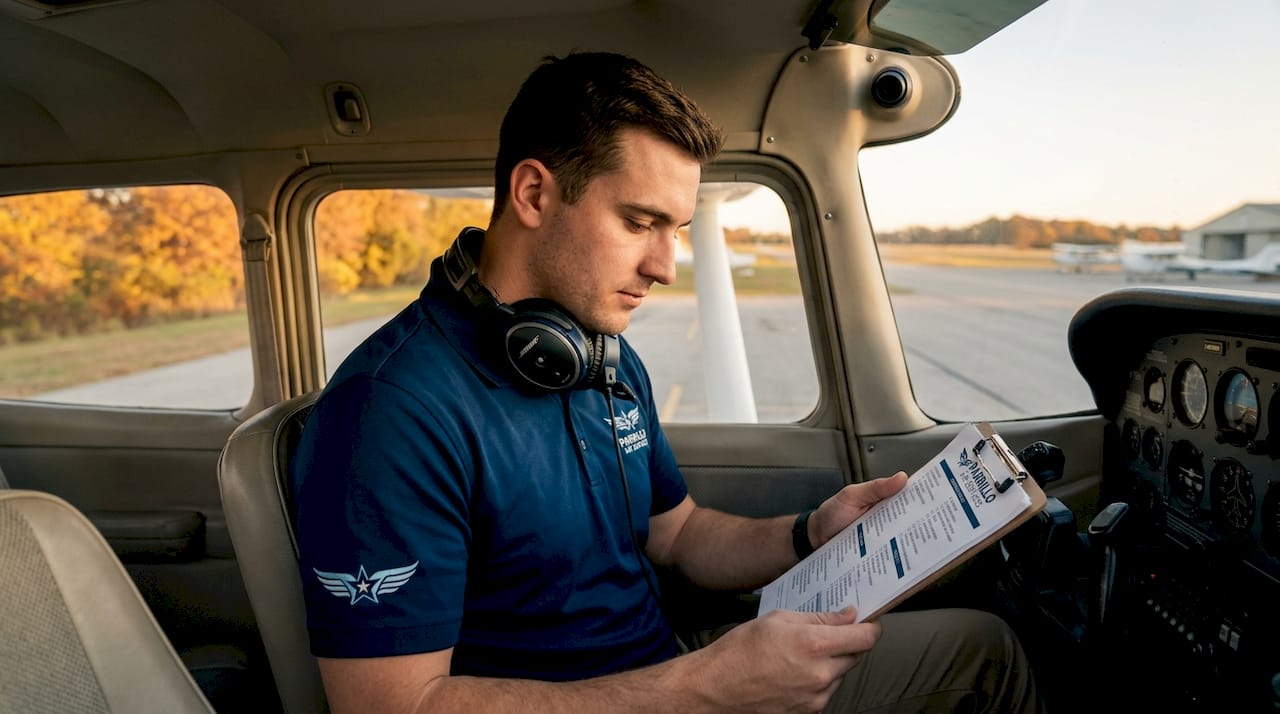
Most people assume that becoming a private pilot is simply a matter of logging 40 hours in the air. A Private Pilot Certificate, which the FAA officially calls a "certificate" rather than a "license," is a credential that authorizes you to act as pilot in command of an aircraft under specific rules and conditions. Understanding the full picture before you start training means fewer surprises, less wasted money, and a much clearer path forward.
The term "private pilot license" is widely used, but the FAA's official term is Private Pilot Certificate. The distinction matters because the word "license" implies something you can lose and renew like a driver's license, while a certificate reflects a demonstrated level of aeronautical knowledge and skill. Once you earn it, it doesn't expire, though your medical certificate and currency requirements do.
The certificate is the FAA credential that gives you legal authority to fly as pilot in command. It's the foundation for everything that comes after, including your instrument rating, commercial certificate, and eventually an airline transport pilot (ATP) certificate if you're headed toward a career in aviation.
Key limitation to remember: A private pilot certificate does not allow you to accept payment for flying. You can share the pro-rata cost of a flight with your passengers, but the moment money flows to you as compensation, you've crossed into commercial territory.
The FAA lays out clear eligibility standards in 14 CFR §61.103, and meeting those standards requires more than just showing up to fly.
Pro Tip: Start a dedicated logbook and endorsement folder from your very first flight lesson. Many students scramble at the end of training because their documentation is scattered.
The quality of your instruction, the condition of the aircraft fleet, and the flexibility of scheduling all directly affect how quickly and confidently you earn your certificate.
Part 61 training is often the right fit for adults who are balancing work, family, and flight training. It allows your CFI to tailor lessons to your pace and learning style.
Part 141 programs follow a tighter, FAA-approved curriculum with stage checks built in, which can benefit students who thrive with structured milestones.
For anyone serious about a career in aviation, the private pilot certificate is exactly that: a starting point. The FAA credential system is sequential, and each certificate or rating builds on the one before it.
Pro Tip: Talk to your CFI about your long-term goals from day one. A good instructor will structure your PPL training with your next rating in mind.
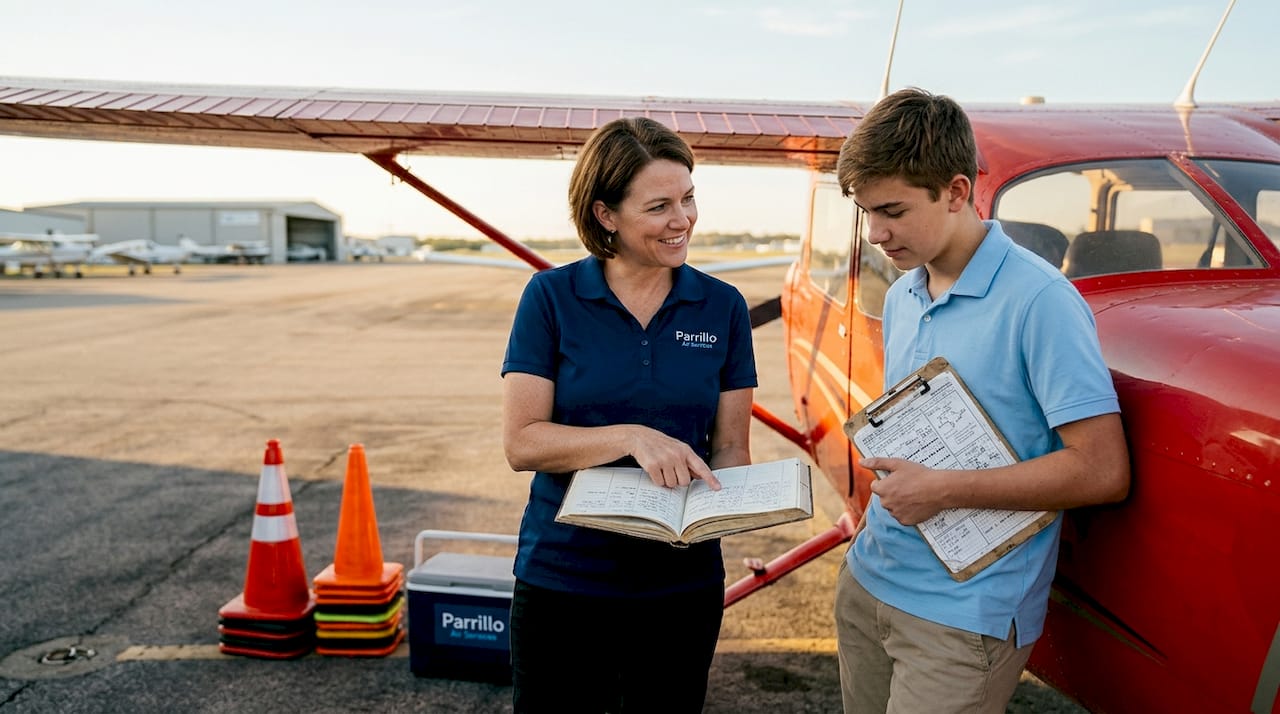
The majority of students who stall out during private pilot training don't fail because they can't fly. They stall because they underestimate how much the non-flying parts of the process matter.
Scheduling gaps are the single biggest enemy of PPL completion. When a student goes two or three weeks without flying due to weather, work, or poor planning, they lose proficiency and have to repeat maneuvers.
Documentation is the other silent killer. Missing logbook endorsements, incomplete ground school records, or a knowledge test that expires before your checkride can delay your certificate for months.
At Parrillo Air Services in Lynchburg, VA, we offer personalized Part 61 flight instruction designed to meet you where you are, whether you're a complete beginner or someone who started training elsewhere and needs to finish strong.
Schedule Your Discovery FlightYou must be at least 17 years old to qualify for a private pilot certificate. You can begin training and even solo at 16.
Yes, you can carry passengers, but the certificate prohibits flying for compensation or hire in any commercial capacity.
Most students complete their private pilot certificate within four to eight months, depending on scheduling consistency, weather, and aircraft availability.
No. The PPL is the essential first step, but you'll need an instrument rating, commercial certificate, and additional ratings before you can work as a paid pilot.
Part 61 programs offer more scheduling flexibility and a self-paced structure, while Part 141 programs follow a standardized, FAA-approved curriculum with formal stage checks.