
A pilot training stages checklist is a structured sequence of FAA requirements, flight hours, and skill milestones every aspiring pilot must complete to earn certification. The process moves from eligibility verification and ground school through solo flights, cross-country navigation, and a final FAA checkride. Skipping or rushing any stage creates gaps that show up on test day. This guide walks you through each phase of the flight training process with the specifics you need to stay on track, budget accurately, and reach certification without costly detours.
FAA eligibility is the first gate in any pilot training checklist, and it has hard age and health requirements you cannot negotiate around. Students must be at least 16 to fly solo and 17 to earn a private pilot certificate. English language proficiency is also a formal FAA requirement, not just a practical one.
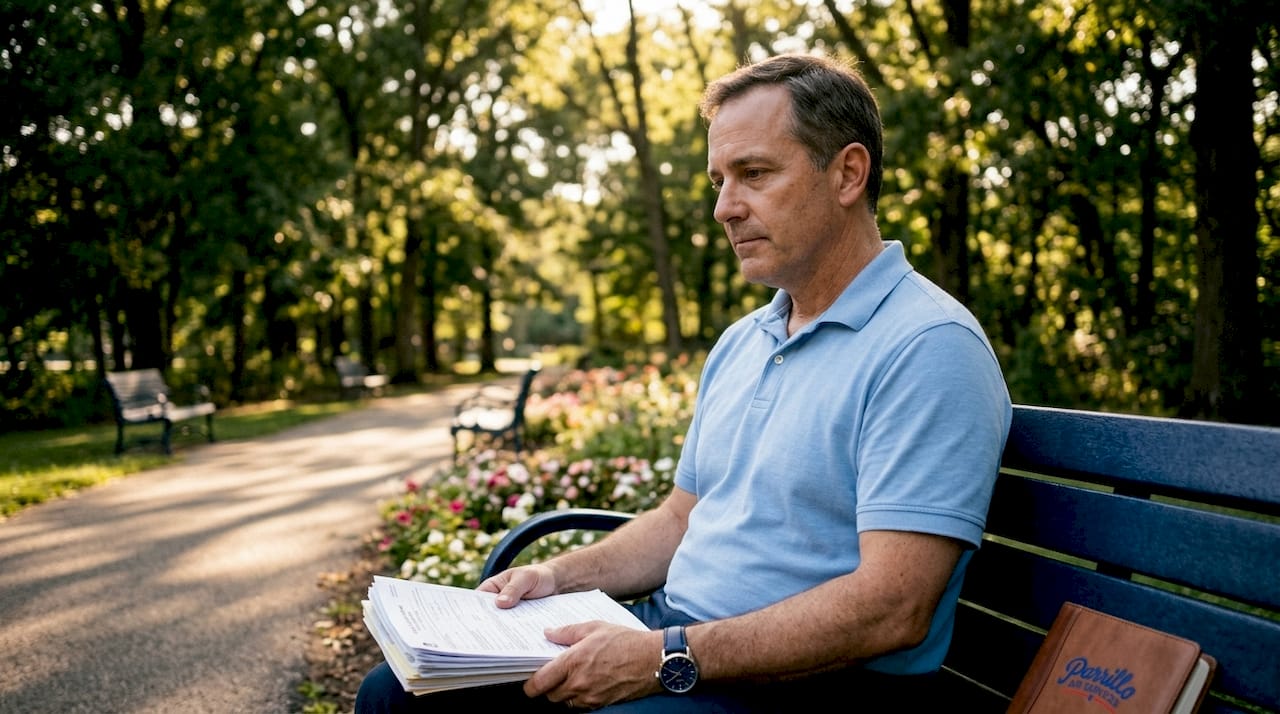
The medical certificate is where many students lose time. A third-class medical certificate is the minimum for a private pilot certificate, but if you plan to fly commercially, get a first-class medical early to confirm you qualify before investing thousands in training. A disqualifying condition discovered late can erase months of work and money.
Here is what you need to confirm before your first lesson:
Pro Tip: Schedule your AME appointment before you pay for your first block of flight hours. The exam is inexpensive and takes under an hour. Finding out early protects your investment.
Ground school is where the academic foundation of your pilot training requirements gets built. You study aerodynamics, weather, navigation, FAA regulations, and aircraft systems before you ever apply them in the air. Without this knowledge, flight instruction moves slower because your instructor spends lesson time explaining concepts instead of building skills.
Structured flight training under Part 61 is the most common path for student pilots who train part-time or on flexible schedules. Part 61 schools like Parrillo Air Services in Lynchburg, VA offer personalized pacing, which suits students balancing work or school alongside training. The tradeoff is that Part 61 typically requires more total flight hours than Part 141 programs.
Early dual instruction follows a clear progression:
The solo endorsement is not automatic. Your instructor evaluates your consistency across all six areas above before signing the logbook. Most students reach solo readiness between 15 and 30 hours of dual instruction, depending on lesson frequency and weather.
Pro Tip: Study ground school material before each flight lesson, not after. Arriving with the academic knowledge already in place means your instructor can focus on hands-on skill development, which shortens your total training time.
Cross-country training is the phase where student pilots move beyond the local airport pattern and develop real navigation skills. The FAA defines a cross-country flight as one that includes a landing at a point more than 50 nautical miles from the departure airport. This phase has two distinct parts: dual cross-country instruction and solo cross-country flights.
During dual cross-country, your instructor rides along while you plan and execute flights to unfamiliar airports. You practice reading sectional charts, filing flight plans, communicating with air traffic control at new facilities, and managing fuel and weather decisions. These flights build the judgment that solo cross-country requires.
FAA mandates solo cross-country flights of specified minimum distances for private pilot certification. The requirements include:
The most common challenge in this phase is weather. Cross-country flights cover more terrain and encounter more variable conditions than local pattern work. Students who build the habit of checking weather thoroughly during dual instruction handle solo cross-country decisions with far more confidence.
The FAA checkride is the final stage of the private pilot flight training process, and it has two distinct components: an oral exam and a practical flight evaluation. Both are conducted by an FAA Designated Pilot Examiner (DPE). Student pilots must pass both the knowledge test and the practical test to earn a private pilot certificate.
The FAA knowledge test (written exam) comes first. You must score 70% or higher on a 60-question multiple-choice test covering regulations, weather, navigation, and aeronautical decision-making. Most students take the knowledge test after completing ground school and before finishing all their flight hours.
The practical test is graded against the FAA Airman Certification Standards (ACS), which define exactly what skills and knowledge the examiner will evaluate.
| Checkride Component | What It Tests | How to Prepare |
|---|---|---|
| Oral exam | Regulations, weather, systems, aeronautical decision-making | Study ACS standards; practice explaining concepts aloud |
| Pre-flight inspection | Aircraft airworthiness and documentation | Run the checklist until it is automatic |
| Takeoffs and landings | Normal, crosswind, and short/soft field techniques | Practice all variations in the weeks before the test |
| Navigation | Cross-country planning and in-flight diversion | Plan a mock cross-country and fly it with your instructor |
| Emergency procedures | Engine failures, system malfunctions | Brief and practice scenarios until responses are instinctive |
| Airspace and communications | Correct radio calls and airspace identification | Use ForeFlight or a sectional chart to quiz yourself daily |
Pro Tip: Schedule a mock checkride with your instructor two weeks before the real test. Treat it exactly like the actual exam. The stress of being evaluated is itself a skill you need to practice.
Students consistently underestimate the financial and time commitment of pilot training, and that gap between expectation and reality is the leading cause of training interruptions. The FAA minimum is 40 flight hours, but most students need 60–75 hours to reach checkride-ready proficiency. Planning your budget around 40 hours and running out of funds at hour 55 is a preventable problem.
Hidden costs extend well beyond instructor fees and aircraft rental. Budget for all of these:
Pro Tip: Build a 20% financial buffer into your total training budget from day one. If you budget for 70 hours of flight time and finish in 60, you have money left over. If you budget for 40 and need 70, you may have to pause training and lose momentum.
Consistency is the most underrated factor in training efficiency. Students who fly twice a week progress faster and retain skills better than those who fly once every two weeks. Gaps in training force instructors to spend lesson time on review instead of new material, which adds hours and cost.
A complete pilot training stages checklist requires FAA eligibility, medical certification, ground school, dual and solo flight training, cross-country experience, and a passed checkride before any private pilot certificate is issued.
| Point | Details |
|---|---|
| Medical certificate comes first | Get your AME exam before paying for flight hours to confirm you qualify. |
| Plan for 60–75 flight hours | The FAA minimum of 40 hours rarely reflects real-world proficiency needs. |
| Solo and cross-country are separate stages | Each requires specific instructor endorsements and logged minimums before proceeding. |
| Checkride has two parts | Both the FAA knowledge test and the practical flight exam must be passed to certify. |
| Budget for hidden costs | Weather, maintenance, and study materials add significant expense beyond base training fees. |
The students who finish training fastest share one habit: they treat the pilot training checklist as a living document, not a formality. They check off each requirement as it is completed, track their logged hours weekly, and bring specific questions to every lesson. The students who struggle treat training as a series of disconnected flights and lose track of where they are in the process.
The medical evaluation advice is the one I repeat most often. I have seen motivated students invest real money in ground school and early flight hours, only to discover a disqualifying condition that could have been identified in a $150 AME appointment. Get the medical done first. It is not pessimism. It is the same logic a contractor uses when pulling permits before breaking ground.
The other thing worth saying plainly: the instrument rating comes after the private pilot certificate, and commercial pilot training comes after that. Students who want airline careers sometimes try to rush the private pilot stage to get to the "real" training faster. That thinking produces weak fundamentals. The private pilot certificate is not a formality. It is the foundation every advanced rating is built on. Treat it that way.
— Gm
Parrillo Air Services offers FAA Part 61 flight training in Lynchburg, VA, with programs that take you from your first discovery flight through private pilot certification and beyond. Every student gets a personalized training plan, flexible scheduling, and an instructor focused on your specific pace and goals.

Whether you are working through your first pilot training checklist or planning the path to a commercial certificate, Parrillo Air Services has the structure and experience to get you there efficiently. Visit the Parrillo Air training programs page to review program details, costs, and next steps. The team is available to answer questions and help you build a realistic plan before you commit to a single dollar of training.
Visit Parrillo Air Services and schedule your discovery flight to see why personalized, career-focused training makes a difference. Take the next step and secure your future by training with instructors who invest in your success.
Visit Parrillo Air Services