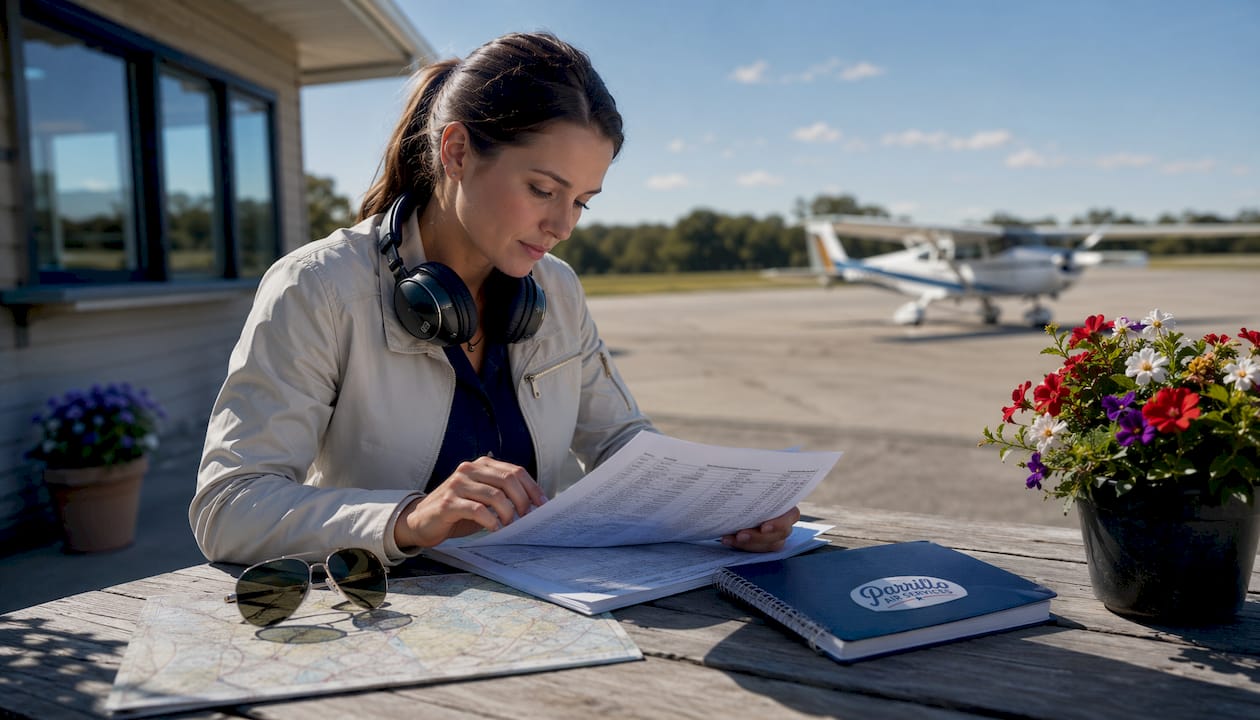
A scenic discovery flight is a personalized introductory flight experience that combines hands-on flying with breathtaking aerial views of coastlines, mountains, or historic landmarks. Unlike a standard sightseeing tour, a discovery flight puts you in the cockpit alongside a certified instructor, giving you the chance to actually handle the controls. Parrillo Air Services, based in Lynchburg, VA, offers FAA Part 61 instruction that starts with exactly this kind of introductory experience. Whether you want to photograph a reef from above, see a volcano at sunrise, or simply feel what it's like to fly, knowing how to plan scenic discovery flight experiences correctly makes all the difference.
The first thing to confirm is whether you meet the basic requirements. Most operators require a minimum of two passengers per booking. Children between ages 3 and 11 typically receive a 50% discount on fares, making family bookings more accessible than most people expect.
Aircraft type shapes the entire experience. Small fixed-wing aircraft like the Cessna 172 seat three to four passengers and offer stable, smooth rides ideal for photography. Biplanes deliver a more open, wind-in-your-face sensation but carry fewer passengers and cost more per seat. Your choice of aircraft directly affects your sightlines, noise level, and how much you can interact with the pilot.
Seating is not always first-come, first-served. In small aircraft, weight and balance considerations sometimes require pilots to assign positions that do not match passenger preferences. Request a window seat in advance and confirm whether the aircraft has an intercom system so you can communicate with the pilot during flight.
Pro Tip: Ask the operator specifically whether a safety briefing is included before boarding. A proper pre-flight briefing covers seat belts, emergency procedures, and headset use. Operators who skip this step are a red flag.
| Prerequisite | Typical Standard |
|---|---|
| Minimum passengers | 2 per booking |
| Child discount (ages 3–11) | 50% off adult fare |
| Seating assignment | Pilot-determined by weight and balance |
| Communication system | Headsets or intercom (confirm in advance) |
| Safety briefing | Required before boarding |
Flight duration is the single biggest cost driver. Scenic flight durations range from brief 5–15 minute hops to expanded 60–75 minute tours covering extensive coastlines or multiple landmarks. A 15-minute coastal flight typically costs $100–$135 per person, while a 75-minute historic tour can reach $259 per person. Knowing your budget before you browse narrows your choices fast.
Route type matters as much as duration. Coastal tours follow shorelines and offer wide-open water views with strong natural light. Lighthouse tours, like those over Penobscot Bay in Maine, combine history with dramatic cliff scenery. Volcano and mountain routes deliver geological drama that no ground-based tour can match. Island cluster flights, such as those over the Whitsundays in Australia, reveal reef colors visible only from altitude.
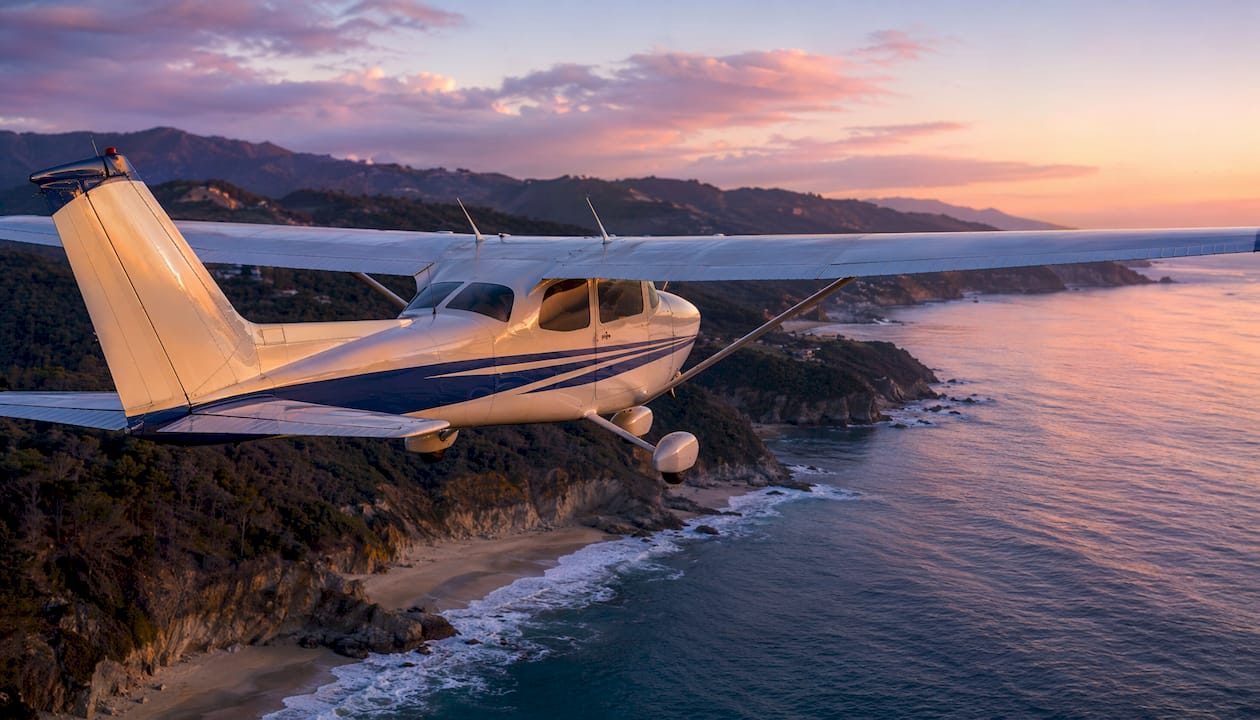
Tell the pilot your goals before you board. Pilots can adjust routes to maximize views and photo opportunities when they know what you care about. A photographer chasing golden-hour light needs a different flight path than a family wanting a broad overview of the coastline.
Pro Tip: Book morning flights in spring or fall for the best photography conditions. Early light reduces haze, and seasonal foliage or wildflower blooms add color that midday summer flights simply cannot match.
| Flight type | Typical duration | Approximate cost per person | Best for |
|---|---|---|---|
| Short coastal tour | 15–20 min | $100–$135 | First-timers, families |
| Lighthouse or heritage tour | 30–45 min | $150–$200 | History enthusiasts |
| Extended island or reef tour | 60–75 min | $200–$259 | Photographers, couples |
| Mountain or volcano tour | 45–60 min | $175–$250 | Adventure seekers |
Start by researching operators in your target region. Look for FAA-certified providers with verified reviews and clear safety records. Parrillo Air Services, for example, operates under FAA Part 61 standards, which sets a defined bar for instructor qualifications and aircraft maintenance.
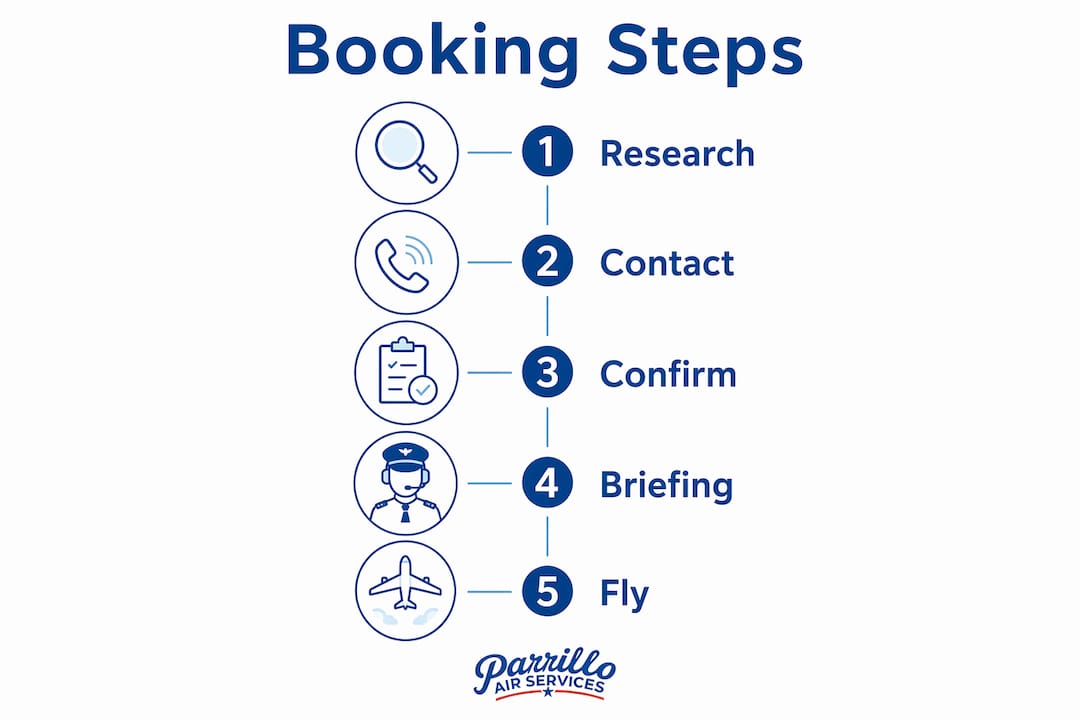
Once you identify a provider, check seasonal availability early. Advance reservations are strongly recommended during peak seasons because flights sell out on busy summer weekends and weather windows are unpredictable. Booking two to four weeks ahead gives you the best chance of getting your preferred time slot.
Follow these steps when booking:
Pro Tip: Ask the operator directly: "What happens if weather cancels our flight?" A reputable provider offers a free reschedule or full refund. If the answer is vague, book elsewhere.
The flight follows a predictable and reassuring structure. After the pre-flight briefing, you board, complete a communication check with the pilot, and taxi to the runway. Takeoff in a small aircraft feels more immediate than a commercial flight. The ground drops away quickly, and within minutes you are at altitude with a full panoramic view.
Pilots normally provide live narration throughout the flight, pointing out landmarks, sharing local history, and explaining what you are seeing below. This narration transforms a sightseeing ride into an educational experience. At Parrillo Air Services, instructors go further by letting passengers handle the controls during the flight, which is the defining feature of a true discovery flight versus a passive aerial tour.
Headsets are not optional accessories. Headsets provide hearing protection and enable clear two-way communication between pilot and passengers throughout the flight. Use them to ask questions, flag photo opportunities, or simply confirm you are comfortable with the pace.
Pro Tip: Shoot through the window at a slight angle to reduce glare and reflection. Polarizing filters on camera lenses cut through haze and water glare far better than any post-processing fix.
Weather is the most common disruption. Low clouds, high winds, and poor visibility ground flights without warning. The best approach is to book a flexible slot and stay in contact with the operator the day before. Most reputable providers send a weather update 12–24 hours ahead so you can plan accordingly.
Weight and balance issues catch passengers off guard. In aircraft seating three to four people, the pilot may need to reassign seats or limit the number of passengers based on total weight. Communicate your group's approximate weights when booking, not on the day of the flight. This prevents last-minute surprises and ensures everyone gets a seat.
Minimum passenger requirements add a cost layer that solo travelers often miss. Most operators require at least two paying passengers per flight. If you are traveling alone, ask whether the operator will pair you with another booking or whether you can pay a single-supplement fee to secure the aircraft.
Pro Tip: If your flight gets rescheduled due to weather, ask to be placed on a waitlist for the next available morning slot. Morning flights cancel less often than afternoon ones because convective weather, the kind that builds into afternoon thunderstorms, has not yet developed.
Planning a scenic discovery flight successfully requires advance booking, clear communication with your pilot, and matching your flight type to your specific goals and budget.
| Point | Details |
|---|---|
| Book early | Reserve two to four weeks ahead, especially during peak summer weekends. |
| Match flight type to goals | Choose duration and route based on scenery priorities and photography needs. |
| Confirm seating and headsets | Request window seats in advance and verify the intercom system before booking. |
| Communicate with your pilot | Share photography goals and must-see landmarks before and during the flight. |
| Prepare for weather delays | Know the cancellation policy and ask about morning slots for better reliability. |
Most people treat the pre-flight briefing as a formality. I think that is the single biggest mistake you can make when planning an aerial adventure. The pre-flight briefing is your only real window to shape what happens in the air. Pilots are professionals who fly the same routes repeatedly. They know exactly where the light hits the reef at 8:00 AM in october, or which ridge gives you an unobstructed volcano view on a partly cloudy day. You just have to ask.
Seasonal timing is underrated. Spring flights over the Virginia Blue Ridge deliver a color palette that summer flights simply cannot replicate. Fall flights over coastal New England put lighthouse tours in a completely different category. The aircraft, the route, and the pilot may be identical, but the season transforms the experience. I have seen photographers book the same lighthouse tour three times across different seasons because each flight produced genuinely different images.
The benefits of discovery flights extend well beyond the view. For many passengers, a scenic flight is the moment they realize they want to learn to fly. That shift happens because a good instructor does not just narrate. They explain what the instruments mean, why the aircraft banks the way it does, and what it feels like to hold altitude. That context turns a sightseeing ride into something that stays with you.
My honest recommendation: treat your scenic flight as a conversation, not a performance. Ask questions before, during, and after. The passengers who get the most out of these flights are not the ones with the best cameras. They are the ones who talked to their pilot.
— Gm
Parrillo Air Services brings FAA Part 61 standards and personalized instruction to every flight, from first-time aerial sightseers to pilots building toward a career. The instructors at Parrillo Air Services know how to read weather, adjust routes, and make every passenger feel genuinely comfortable from the moment they arrive.

If you are ready to move from planning to flying, the flight training programs at Parrillo Air Services cover everything from introductory discovery flights to full private pilot certification. Flexible scheduling and a personalized approach mean your experience fits your timeline, not the other way around. Reach out to Parrillo Air Services today and put your aerial adventure on the calendar.
Scenic flight pricing ranges from roughly $100–$135 per person for a 15-minute coastal tour to $259 per person for a 75-minute extended tour. Children ages 3–11 typically receive a 50% discount.
Book two to four weeks ahead, especially for summer weekends, since peak-season flights sell out quickly and weather can limit available slots.
Window seats are not guaranteed because pilots assign seating based on weight and balance requirements. Request your preference when booking to maximize your chances.
Yes. Tell the pilot your photography goals during the pre-flight briefing so they can adjust the route and timing for the best light and angles.
A scenic discovery flight is one of the best introductions to aviation. Safety briefings and headset communication keep passengers informed and comfortable throughout the experience.
Top Benefits of Discovery Flights for Aspiring Pilots | Parrillo Air Services
Parrillo Air Services
What Is a Discovery Flight? A Beginner's Guide
Parrillo Air Services
Top benefits of discovery flights for aspiring pilots
Parrillo Air Services
What is an introductory flight lesson? Your first step to flying
Parrillo Air Services