Commercial aviation in the U.S. breaks into four job families: Pilots, Maintenance & Avionics, Operations & Safety, and Ground & Customer-Facing roles, all regulated or certified through the FAA. If your goal is an airline cockpit, the pilot track ends with an Airline Transport Pilot (ATP) certificate and typically takes three to five years of active training and hour-building. Technical careers in maintenance offer comparable stability without the medical flight requirements. Parrillo Air Services provides structured Part 61 pilot training for students who want to start the pilot family today.
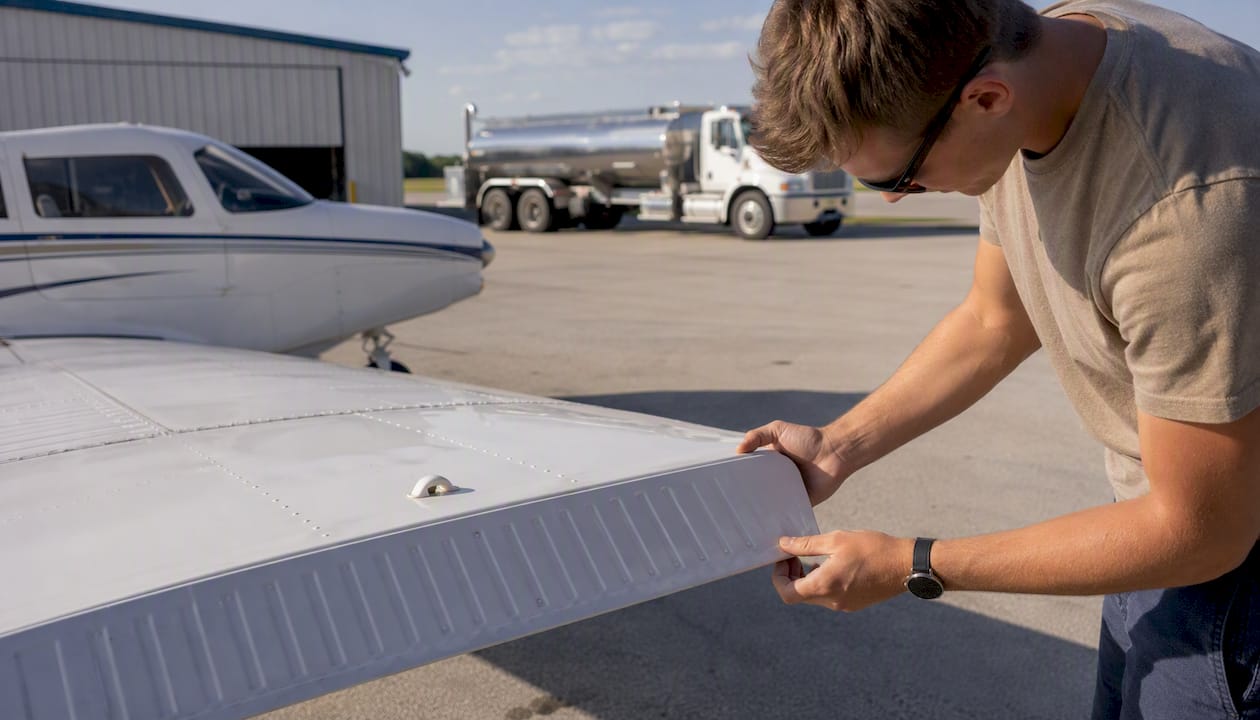
Pro Tip: If you're unsure which family fits, start with a discovery flight and a conversation with an A&P school — both cost under $200 and will tell you more about your preferences than any online quiz.
Commercial aviation offers four distinct career families, each with its own credential path, timeline, and lifestyle profile. Choosing the right one early saves years of redirected effort.
| Point | Details |
|---|---|
| Four career families | Pilots, Maintenance & Avionics, Operations & Safety, and Ground & Customer-Facing roles cover the full range of aviation industry positions. |
| Pilot credential sequence | Private → Instrument → Commercial → ATP; ATP requires 1,500 flight hours for most candidates and is mandatory for scheduled airline operations. |
| A&P is a strong alternative | FAA A&P programs take 18–24 months, cost roughly $30,000–$45,000, and don't require a four-year degree. |
| Medical exam first | Confirm FAA medical eligibility before spending money on flight training; a third-class exam costs around $150. |
| Parrillo Air Services | Offers structured Part 61 training from discovery flight through CFI in Lynchburg, VA, with clear milestones for aspiring airline pilots. |
The FAA recognizes aviation as an interdependent workforce where no single role keeps flights moving alone. Here's how the four families break down:
The FAA's aviation careers page reports that Air Traffic Control Specialists form a significant workforce across FAA facilities, highlighting the scale of the non-pilot workforce. For every pilot in the air, several specialists on the ground make the flight possible.
Pilot roles in U.S. commercial aviation require a sequence of FAA certificates: Private Pilot, Instrument Rating, Commercial Pilot, and ultimately the ATP for scheduled airline operations. The BLS confirms that the ATP is the mandatory credential for any pilot serving as a crewmember on a scheduled airline, and that major carriers typically expect a college degree alongside flight experience.
Certification pathway:
The most practical hour-building routes are working as a CFI, flying Part 135 charter or on-demand cargo, or a combination of both. CFI work is the most accessible because flight schools always need instructors, and the pay partially offsets training debt. Airline pathway programs like United's Aviate connect students at partner schools directly to regional airline pipelines, reducing the guesswork around when and how to apply.
Pro Tip: Southwest's Flight Hours grid is a recruiter-facing tracking tool that logs your hours by aircraft type. Start maintaining a clean, verifiable flight-hour record from your first solo — airlines filter applicants on this data before extending interviews. See the flight hours and career progression guide for a practical setup.
Maintenance and avionics roles are among the most stable aviation career options available, and most don't require a four-year degree. Regional career research confirms that airframe and powerplant repair skills are in high demand, with clear advancement tracks that don't depend on medical flight fitness.
The core credential is the FAA Airframe & Powerplant (A&P) certificate, earned through an FAA-approved aviation maintenance technician school (typically 18–24 months) or through documented work experience. Avionics technicians follow a similar path, often adding electronics coursework on top of A&P fundamentals.
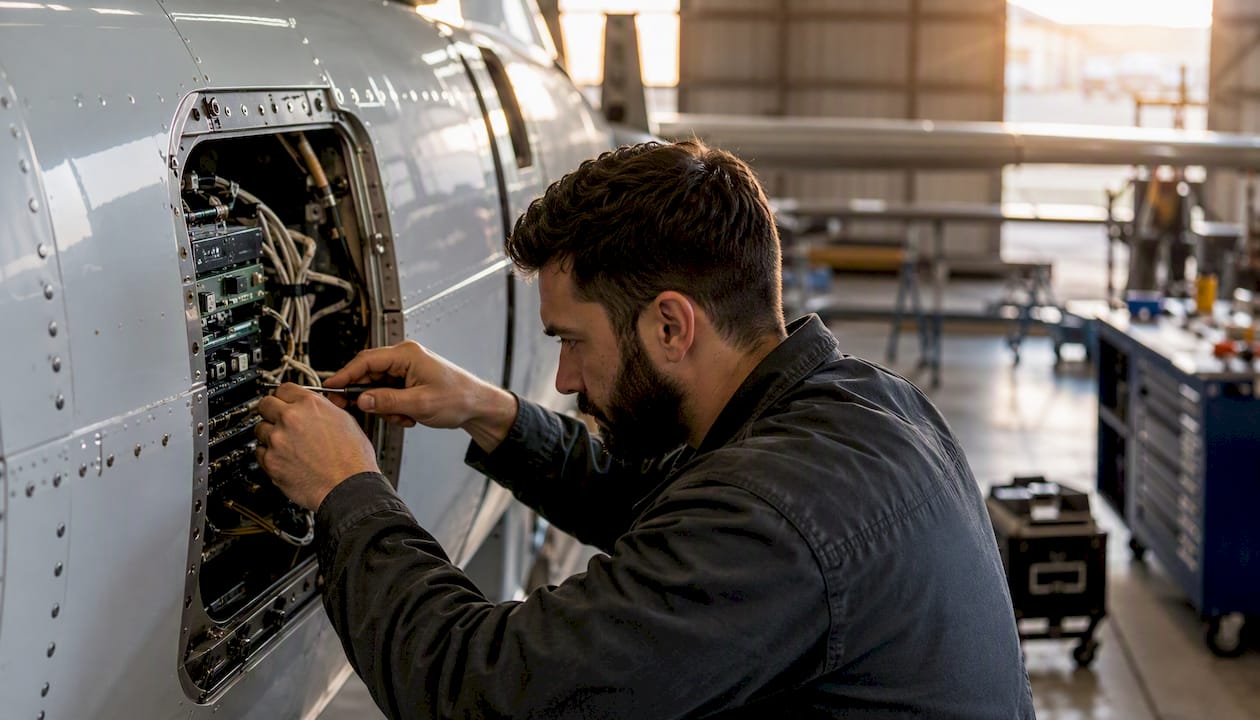
| Role | Primary Credential | Typical Employers | Advancement Path |
|---|---|---|---|
| A&P Mechanic | FAA A&P Certificate | Airlines, MROs, FBOs | Lead mechanic, quality inspector |
| Avionics Technician | A&P + electronics training | Airlines, MROs, manufacturers | Avionics supervisor, systems specialist |
| MRO Specialist | A&P Certificate | MRO facilities, cargo carriers | MRO manager, quality assurance |
Employers range from regional FBOs to large MRO operations that service entire airline fleets. The work is hands-on and shift-based, which suits people who prefer a technical environment over an office. Advancement to supervisor or quality inspector typically happens within five to eight years for candidates who stay current on FAA continuing education requirements.
Operations and safety careers sit between the cockpit and the terminal. Each role has a distinct credential path and hiring pipeline.
Flight Dispatchers share legal responsibility with the captain for every flight they release. The FAA dispatcher license requires 200 hours of dispatch experience or completion of an FAA-approved dispatcher school (typically six to eight weeks). Airlines and third-party operators hire dispatchers; the FAA's aviation careers overview lists dispatcher licensing as a baseline credential for airline operations roles.
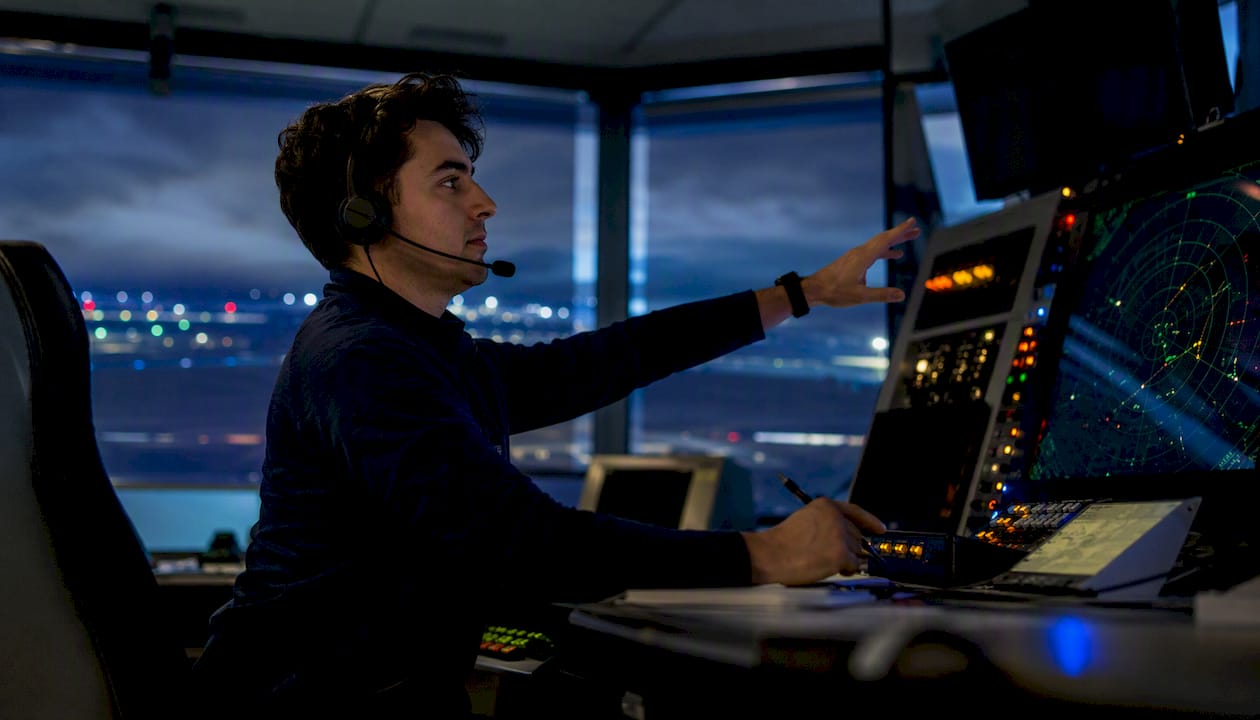
Air Traffic Control Specialists are hired almost exclusively through the FAA. Candidates must be U.S. citizens, pass a medical exam, and complete the FAA Academy in Oklahoma City. The FAA's own data puts the ATC workforce at more than 14,000 specialists. Most new hires enter through the Collegiate Training Initiative (CTI) program or the public bid process on USAJobs.
Aviation Safety Inspectors (ASIs) work for the FAA enforcing airworthiness and operational standards. The FAA's career fields page describes ASI specializations in maintenance, dispatch, and cabin safety. Most ASI positions require prior aviation experience (pilot certificates, A&P, or dispatch background) plus a federal hiring process through USAJobs.
Hiring pathways at a glance:
Ground and customer-facing positions are the fastest entry point into the airline industry. Most require only a high school diploma and on-the-job training, making them accessible to people who want to work in aviation while deciding on a longer-term path.
Indeed's aviation industry catalogue lists roles spanning ramp agents and baggage handlers through to passenger service agents and reservation specialists. Representative roles include:
Advancement from these roles is real. Senior ramp leads and station managers often move into airport operations management. Some flight attendants transition into dispatcher or safety roles after earning additional credentials. The ground-level view of airline operations is genuinely useful if you plan to pursue a more technical or operational career later.
Most professional pilot tracks take one to five or more years; costs concentrate in flight hours and aircraft rental. A&P programs run 18–24 months. Dispatcher school is six to eight weeks.
Costs vary by region, school type, and aircraft rental rates. These figures are estimates; contact individual schools for current pricing. See the aviation career timeline planning guide for a detailed breakdown by phase.
Choose by skill match and lifestyle tolerance. Pilots need schedule flexibility, strong spatial reasoning, and the physical health to hold an FAA medical certificate. A&P mechanics need mechanical aptitude and comfort with shift work. Dispatchers and ATC specialists need analytical precision and the ability to manage multiple variables under time pressure.
Ask yourself these questions before committing:
The most common career-change mistake is starting pilot training without confirming FAA medical eligibility first. A disqualifying condition discovered after spending $20,000 on flight training is a painful outcome that a $150 BasicMed or third-class medical exam would have caught on day one.
Pro Tip: Schedule a third-class FAA medical exam with an Aviation Medical Examiner (AME) before your first paid flight lesson. It's the cheapest insurance in aviation career planning. Find an AME through the FAA's MedXPress portal.
Focus the first 90 days on discovery, baseline credential checks, and building a concrete training plan. Here's how that breaks down by path:
For aspiring pilots:
For maintenance and operations candidates:
The conventional wisdom says any flight training will get you to the airlines eventually. That's technically true, but "eventually" can mean a decade of uncertainty versus four years with a clear plan. Parrillo Air Services recommends structured Part 61 programs with defined milestones precisely because the timeline uncertainty is where most aspiring pilots lose momentum, not the flying itself.
Major carriers have made their preference explicit. United's Aviate program and similar structured pathways exist because airlines want pilots who trained with intention, not just pilots who accumulated hours. A student who completes a private, instrument, commercial, and CFI certificate in sequence at a single school with a consistent instructor has a cleaner, more credible record than one who pieced together training across five different schools over eight years.
The other underrated factor: a good training provider reduces the cost of mistakes. Inconsistent instruction leads to re-training, failed checkrides, and wasted hours. One failed practical exam can cost $500–$1,500 in re-test fees alone, on top of the additional flight time needed to prepare again.

Parrillo Air Services offers FAA Part 61 flight training from discovery flights through private pilot, instrument, commercial, and flight instructor certificates, all from Lynchburg, VA. The programs are built for students who want a clear, milestone-driven path to professional aviation, not an open-ended training arrangement.
Flexible scheduling, personalized instruction, and structured program guidance mean you spend more time flying and less time figuring out what comes next. Liberty University students can also arrange credit transfer through Parrillo's scheduling coordination. If you're ready to move from researching aviation career options to actually building flight hours, get more information about Parrillo Air Services training programs and take the first concrete step toward your pilot certificate.